Push Up
 Anton YefanovUpdated
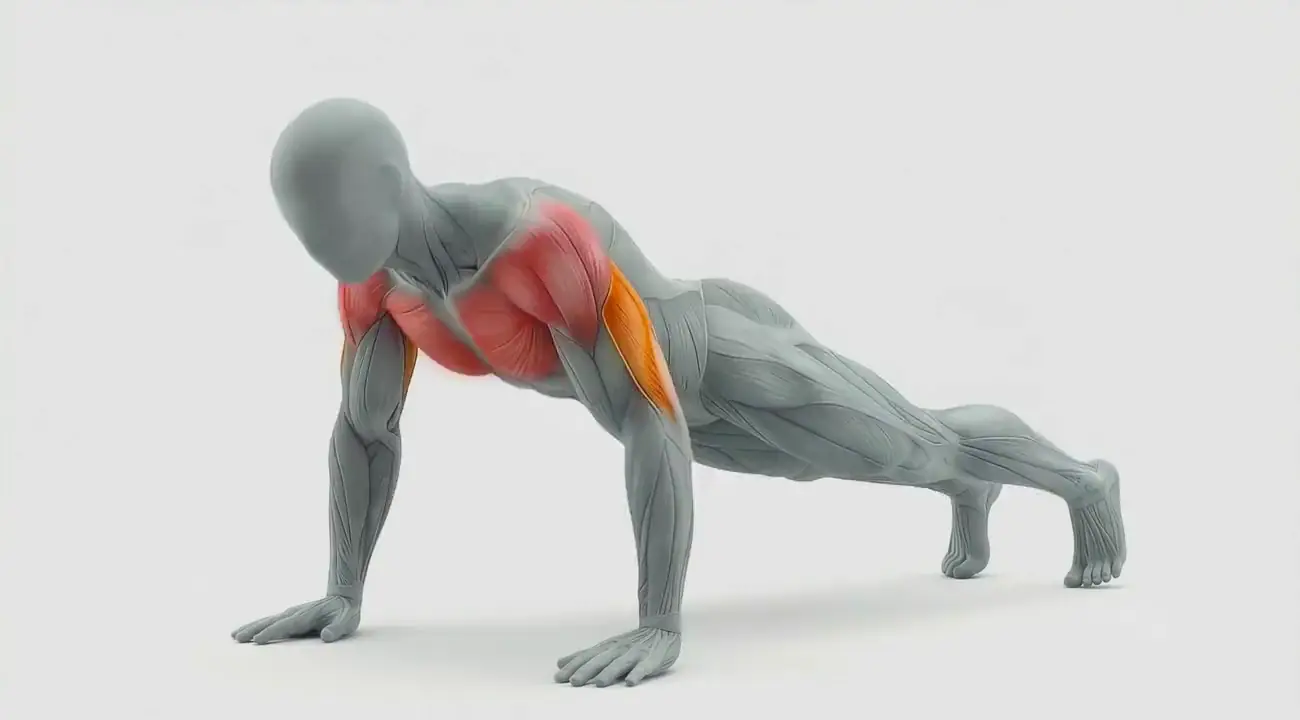
The push-up is the most foundational bodyweight upper-body exercise. From a high-plank position, the lifter lowers the chest to the floor and presses back up, loading the chest, triceps, and front shoulders through a controlled horizontal press. It scales endlessly: incline for beginners, decline or weighted for advanced lifters.
How to do the Push Up
- Set up in a high-plank position with your hands slightly wider than shoulder width and arms locked.
- Brace your core, squeeze the glutes, and keep your body in a straight line from head to heels.
- Lower your chest slowly toward the floor over 2 to 3 seconds, keeping the elbows at about 45 degrees.
- Stop when your chest hovers just above the floor, holding the bottom briefly with full body tension.
- Press back up by driving the floor away through the palms until the arms reach full extension.
- Reset your breath and repeat for the full set, keeping the body line tight on every rep.
Muscles worked
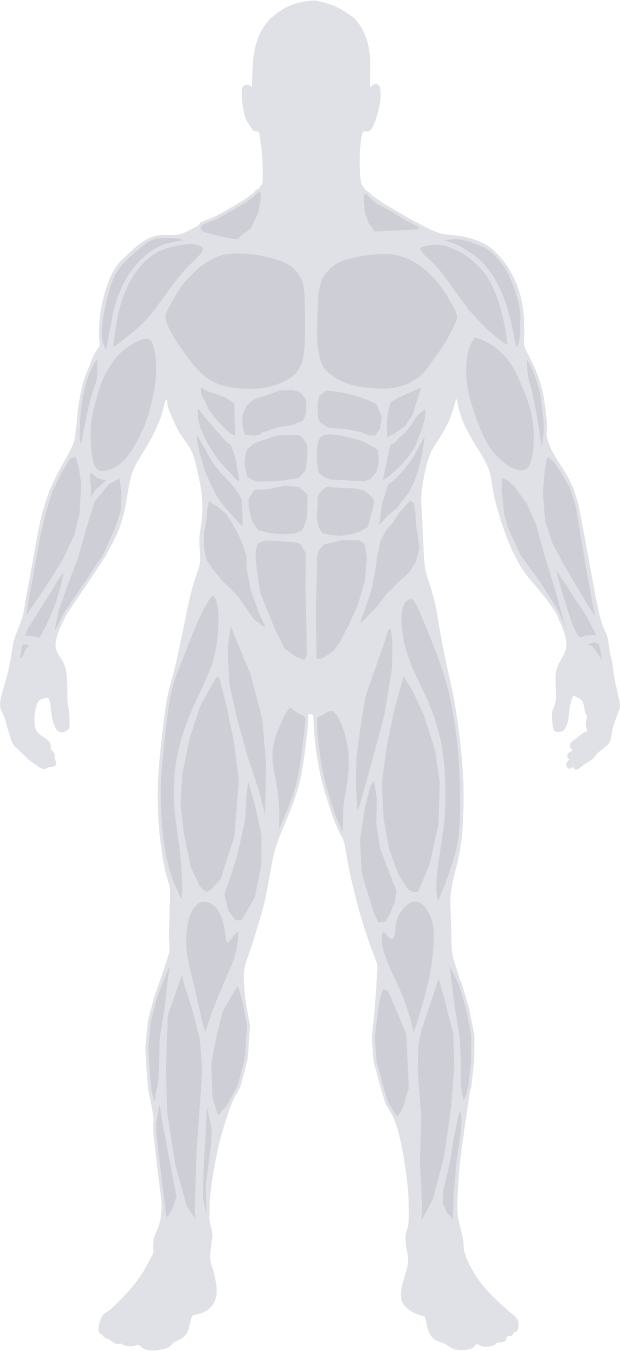
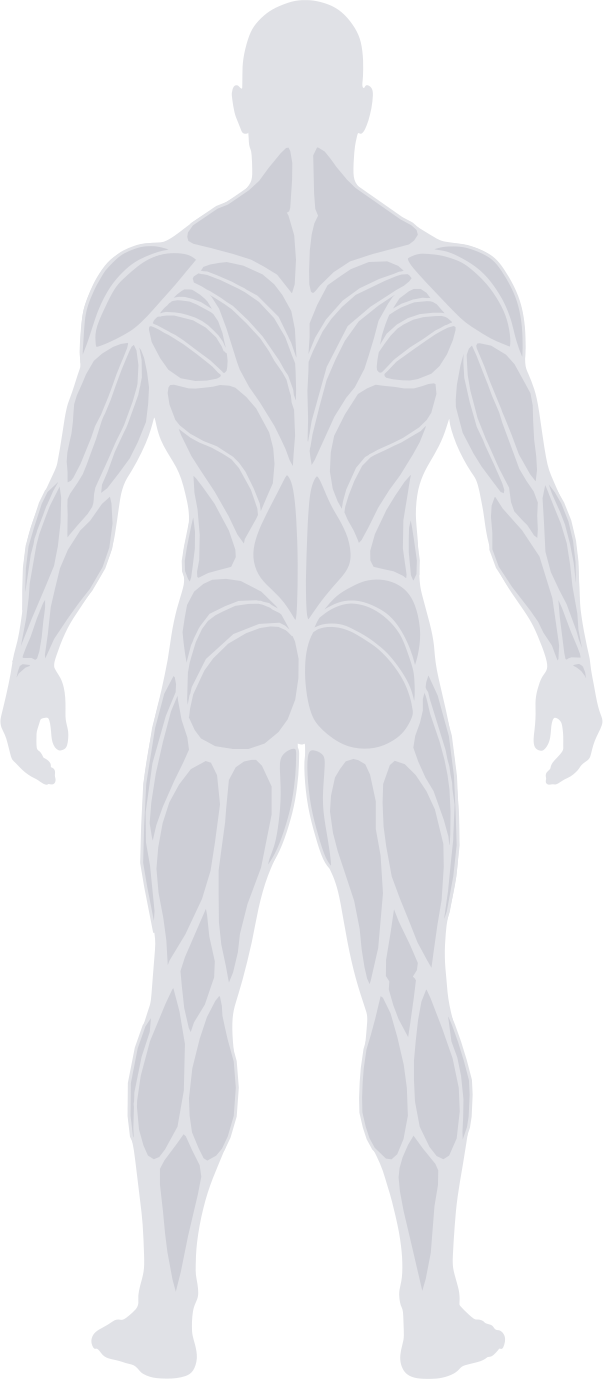
- Primary:
- Chest
Why train it
- Builds the chest, triceps, and front shoulders without any equipment.
- Reinforces a strong full-body plank shape under pressing load.
- Scales infinitely from incline beginner versions to advanced weighted variations.
Common mistakes
- Letting the hips sag toward the floor, which removes the core demand and strains the lower back.
- Letting the elbows flare to 90 degrees, which strains the front shoulders and reduces chest engagement.
- Cutting the depth short and only pressing the top half of the rep instead of touching the chest down.
- Letting the head poke forward instead of keeping the neck in line with the spine.
Frequently asked questions
How many push-ups should you be able to do?
Ten clean reps is a reasonable first target for most adults, 20 to 30 is fit, and 40 or more in one set is strong. A Harvard study of firefighters found that men who could do more than 40 had a far lower risk of heart disease over ten years than those who could do fewer than 10. Count only reps with your chest near the floor and your body straight.
Can push-ups build muscle?
Yes. Push-ups taken close to failure build the chest and triceps about as well as a bench press at a similar effort, according to studies comparing the two. The catch is that you run out of resistance once you can do 30 or more. From there, make them harder with a decline, a pause at the bottom, a weighted vest or a slower lowering phase.
Are knee push-ups still effective?
Yes, as a way to build up to the full version. Knee push-ups move about half your bodyweight instead of about two-thirds, so you can do proper reps with good form while you get stronger. Incline push-ups with your hands on a bench are the other option, and they keep the body in the same straight line as a full push-up.
Are push-ups bad for your wrists?
They can bother wrists that do not bend back far, because the full bodyweight sits on them at an angle. Spread your fingers and press through the whole hand, not just the heel of the palm. If that is not enough, do them on dumbbell handles or push-up bars so the wrists stay straight.
Should you do push-ups every day?
You can, if each session is well short of failure. Low-effort daily push-ups are a fine habit and build endurance. For building muscle, two or three hard sessions a week with rest days between them usually works better than daily sets, because the chest and triceps need time to recover.
What muscles does the Push Up work?
The Push Up trains the chest as the main target. Expect the shoulders and triceps to take some of the load as well.
What equipment do I need for the Push Up?
None. The Push Up is a bodyweight movement, so your own weight is the resistance and floor space is the only requirement.
Is the Push Up suitable for beginners?
Yes. The Push Up is rated beginner: you are the load, so there is no weight to get wrong. Add reps or time only once the position holds from the first of them to the last.
Can I do the Push Up at home?
Yes, anywhere. There is nothing to buy and nothing to set up, which makes the Push Up one of the movements worth keeping for days you never reach a gym.
How many sets and reps of the Push Up should I do?
Three to four sets taken within a rep or two of failure. There is no weight to add here, so progress by slowing the lowering phase, pausing at the hardest point, or moving to a harder variation once you can clear 15 clean reps.
What are good alternatives to the Push Up?
Cable Bench Press, Decline Machine Chest Press, and Dumbbell Bench Press train the same primary muscles as the Push Up. Pick whichever one suits the equipment in front of you.
Similar exercises
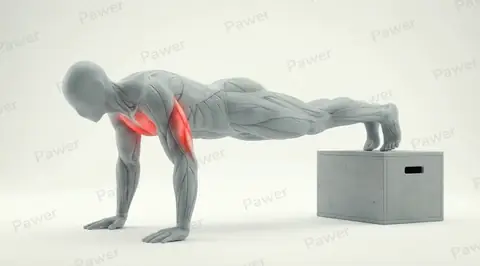 Decline Push UpBodyweight
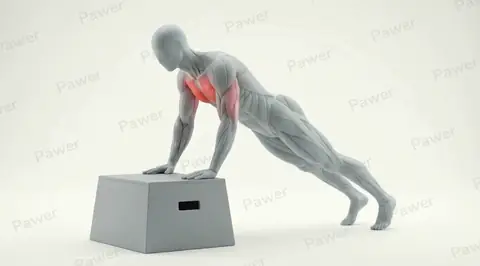 Incline Push UpBodyweight
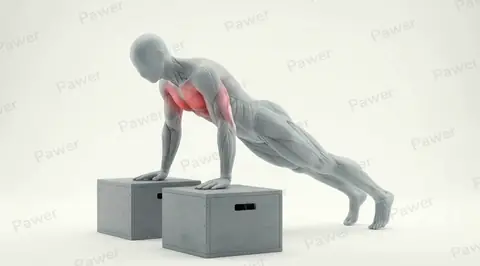 Bodyweight Elevated Push UpBodyweight
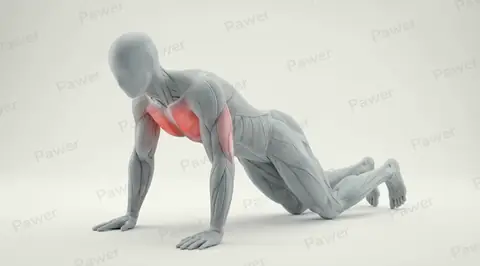 Bodyweight Knee Push UpsBodyweight
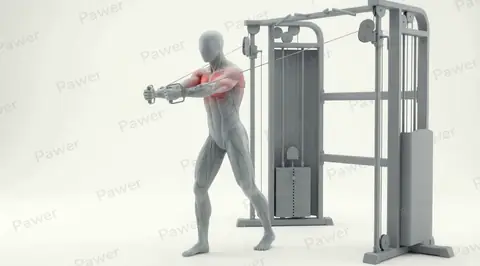 Cable Chest PressCable
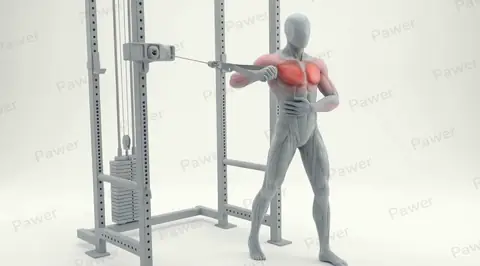 Cable Standing Single Arm Chest PressCable
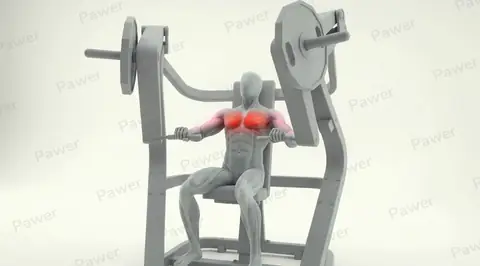 Decline Machine Chest PressMachine
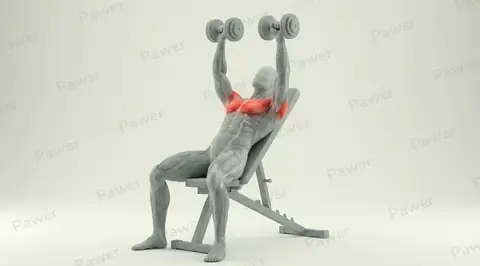 Dumbbell Incline Bench PressDumbbell
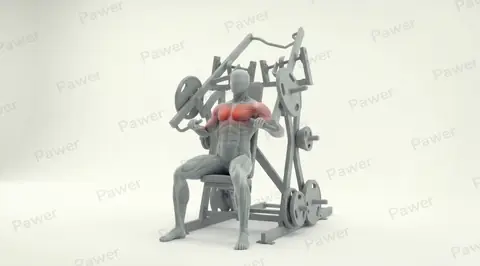 Incline Machine Chest PressMachine
 Kettlebell Incline Bench PressKettlebell
By muscle
Every exercise is mapped to the muscles it trains. Browse by what you want to build.
By equipment
A full gym, a pair of dumbbells, or nothing at all: browse by what you have.