Decline Push Up
Also known as: Feet Elevated Push Up
 Anton YefanovUpdated
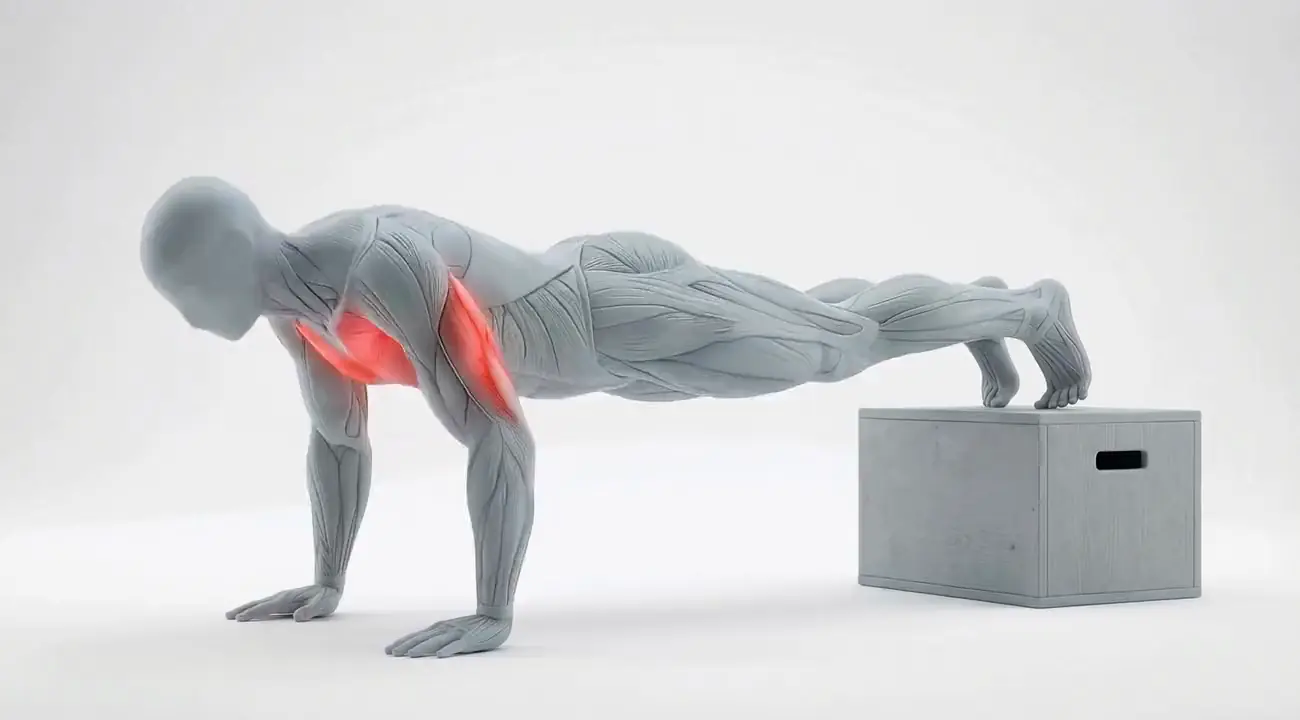
The decline push up takes the standard push up and elevates the feet, which shifts the load toward the upper chest and front shoulders. It's one of the simplest ways to make a push up harder and target a region most home trainees never touch, all without needing a barbell or incline bench.
How to do the Decline Push Up
- Place your feet on a sturdy bench, step, or low platform and lower your hands to the floor.
- Set your hands slightly wider than shoulder width with arms straight and your body in a long line.
- Brace your core and squeeze your glutes so your hips don't sag or pike during the rep.
- Lower your chest toward the floor under control, keeping the elbows tracked at about 45 degrees.
- Pause briefly when your chest is just above the floor, holding tension through the upper body.
- Press back up to full arm extension by driving through the chest and triceps, then repeat.
Muscles worked
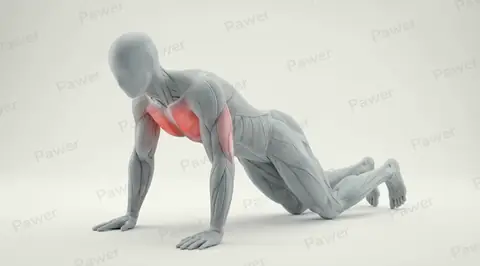
The decline push up works the chest, especially the upper fibers of the pecs, with the triceps finishing each rep and the front delts assisting. Raising your feet tilts your body so the arms press up and away from the torso at an angle closer to an incline press, which is why the upper chest takes more of the load than in a flat push up.
The pecs work hardest at the bottom, where your chest is just above the floor and the muscle is stretched across the shoulder. As you press out of that position, the triceps take over to straighten the elbows into lockout. A higher box increases the share on the shoulders, while keeping the elbows near 45 degrees keeps the chest in charge. Your abs and glutes hold the body in a straight line so the hips do not sag.


Why train it
- Biases the upper chest and front shoulders without barbell incline work.
- Builds bodyweight pressing strength using only a step or bench.
- Bridges the gap between standard push ups and harder pressing variations.
Common mistakes
- Letting the hips sag toward the floor, which kills the line and shifts strain into the lower back.
- Flaring the elbows out to 90 degrees, which strains the front shoulders and reduces chest work.
- Bouncing at the bottom instead of pausing briefly to control the lift through the full range.
- Cutting the range short by stopping a long way above the floor and skipping the deep stretch.
Frequently asked questions
Do decline push-ups work the upper chest?
Yes, a little more than flat push-ups. Raising your feet tilts your body into a pressing angle like an incline bench press, which puts more of the work on the upper chest and front shoulders. They are also harder, because more of your bodyweight is on your hands.
How high should your feet be for decline push-ups?
A bench or step about 30 to 50 cm high is a good start. The higher your feet, the harder the push-up and the more it shifts to the shoulders. Very high feet turn it into something close to a pike push-up. Pick a height where you can still lower your chest close to the floor.
Are decline push-ups harder than regular push-ups?
Yes. With your feet raised, you push roughly 70 to 75 percent of your bodyweight instead of about 65 percent. Most people lose a few reps compared with a flat push-up. That makes them a good next step once regular push-ups feel easy.
Are decline push-ups bad for your shoulders?
Not when your elbows stay at about 45 degrees from your body. The steeper angle puts more load on the front shoulder, so flared elbows bother it more than in a flat push-up. If your shoulders complain, lower the step or go back to regular push-ups for a while.
What equipment do I need for the Decline Push Up?
Only a bench, box or sturdy step. Your own weight is the resistance, so there is nothing to load.
Is the Decline Push Up suitable for beginners?
Yes. The Decline Push Up is rated beginner: you are the load, so there is no weight to get wrong. Add reps or time only once the position holds from the first of them to the last.
Can I do the Decline Push Up at home?
Yes. All it takes is a bench, box or sturdy step, which most homes can find, so the Decline Push Up is easy to keep going on days you never reach a gym.
How many sets and reps of the Decline Push Up should I do?
Three to four sets taken within a rep or two of failure. There is no weight to add here, so progress by slowing the lowering phase, pausing at the hardest point, or moving to a harder variation once you can clear 15 clean reps.
What are good alternatives to the Decline Push Up?
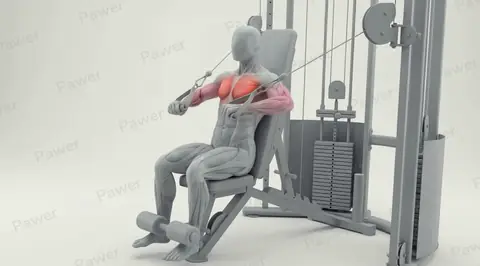
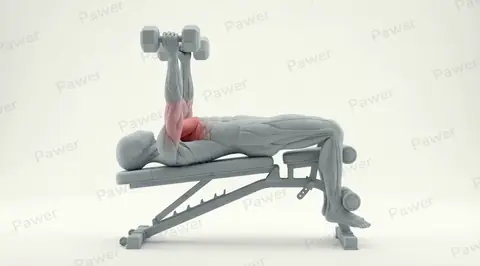
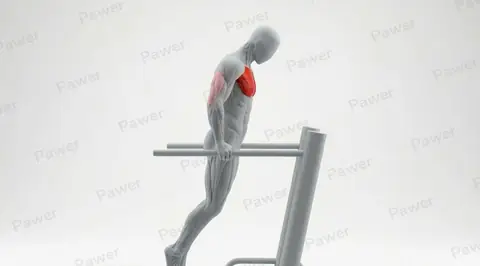
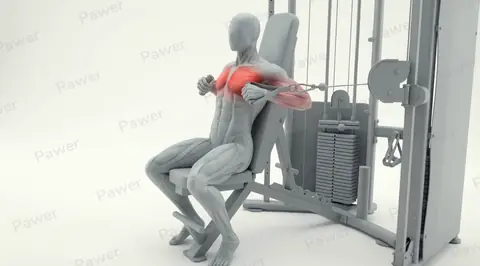
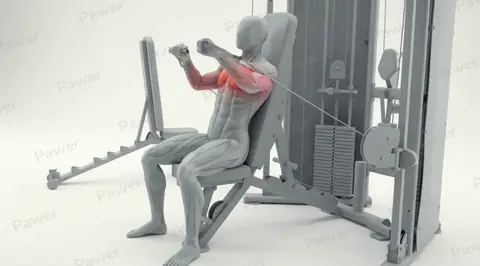
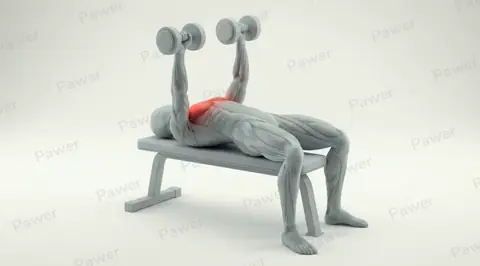
Cable Bench Press, Decline Machine Chest Press, and Dumbbell Bench Press train the same primary muscles as the Decline Push Up. Pick whichever one suits the equipment in front of you.
Similar exercises
By muscle
Every exercise is mapped to the muscles it trains. Browse by what you want to build.
By equipment
A full gym, a pair of dumbbells, or nothing at all: browse by what you have.