Swim Sprint Intervals
 Anton YefanovUpdated
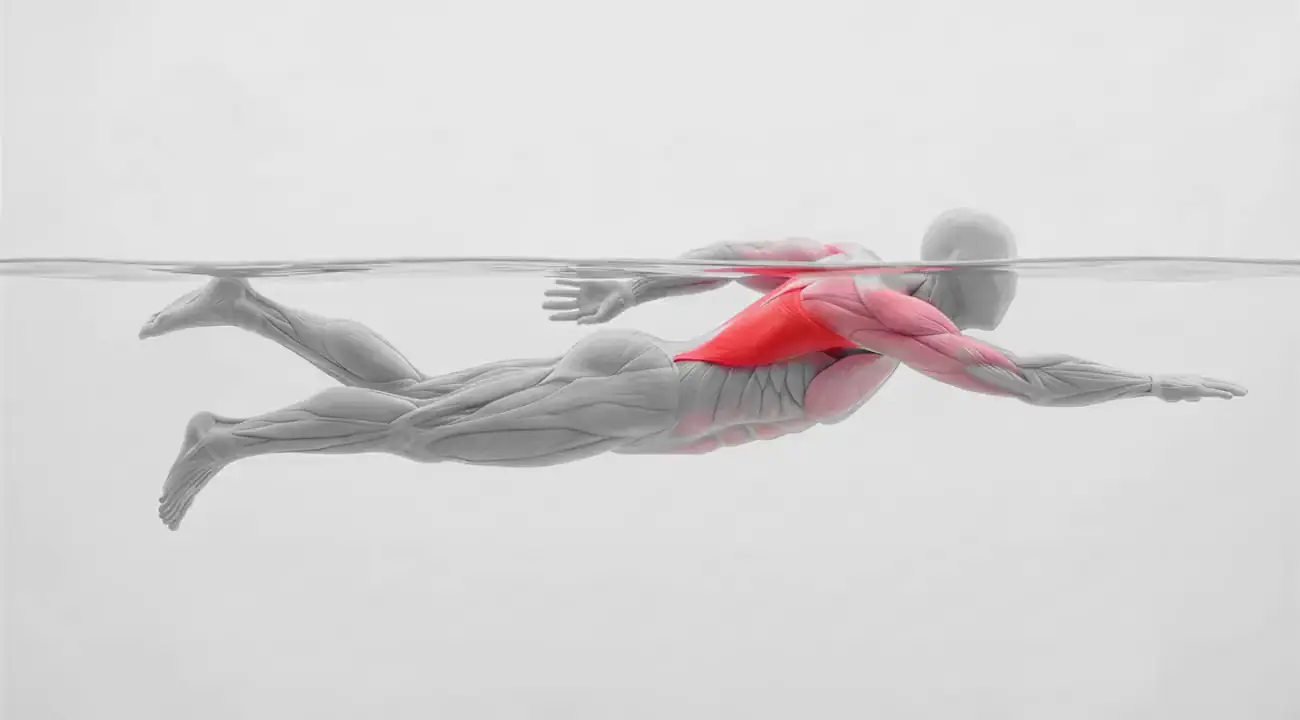
Swim sprint intervals are full stroke freestyle at maximum effort over short repeats. A studied set of four by fifty meters with two minutes rest produced blood lactate around fourteen to fifteen millimoles per liter, well above the ten to twelve seen in a single hundred meter swim.
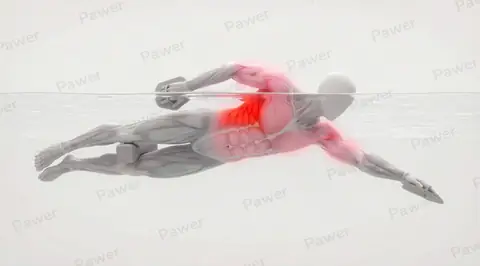
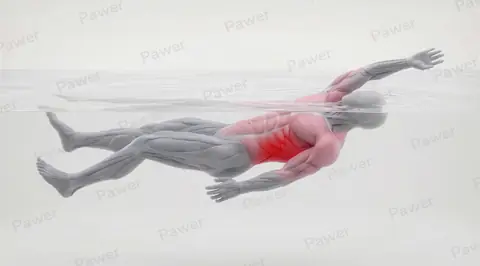
That is what makes the format hard to hold together. The propulsive muscles of the pull, latissimus dorsi, pectoralis major and triceps brachii, are the ones that fatigue first, and underwater EMG reviews find upper body fatigue during repeated hard efforts while leg activity stays comparatively stable.
How to do the Swim Sprint Intervals
- Warm up with easy swimming and a few build efforts before the first sprint repeat.
- Start each repeat from the wall and accelerate to full speed within the first few strokes.
- Hold a high stroke rate while still pressing the hand and forearm straight backward on every stroke.
- Keep the head steady and breathe as little as the distance allows without losing form.
- Finish the repeat at full effort into the wall rather than easing off over the last meters.
- Take the full prescribed rest, then repeat for the planned number of sprints.
Muscles worked


Why train it
- Drives the anaerobic contribution that short freestyle events depend on.
- Produces higher blood lactate than a continuous swim of comparable distance.
- Trains speed and turnover under fatigue while remaining a non-impact activity.
Common mistakes
- Letting stroke length collapse as rate climbs, which raises effort without raising speed.
- Cutting the rest short, which turns a sprint set into a moderate threshold swim.
- Breathing every stroke through a short sprint, which disrupts body position and slows the swim.
- Sprinting before the shoulders are warm, which loads the pull muscles hard from cold.
Frequently asked questions
What muscles do Swim Sprint Intervals work?
Swim Sprint Intervals work the back and chest hardest, with the shoulders, triceps, core, and quads pitching in. As cardio, though, the bigger demand is on your heart and lungs rather than any one muscle.
What equipment do I need for Swim Sprint Intervals?
Only a pool. There is nothing to lift: your own body does the work.
Are Swim Sprint Intervals suitable for beginners?
Not as a first stroke. Swim Sprint Intervals are rated advanced: they only work once your breathing, body position and kick timing are automatic, which comes after freestyle and breaststroke feel easy.
Can I do Swim Sprint Intervals at home?
Not unless you have a pool. Swim Sprint Intervals need water deep enough to swim in, so it happens at a lap pool or in open water. The alternatives below train the same muscles on dry land.
How long should I do Swim Sprint Intervals for?
Eight to twelve repeats of 25 to 50 metres at full effort, with 30 to 60 seconds of rest at the wall. Swim easy for a few hundred metres first, and once a week is enough.
What are good alternatives to Swim Sprint Intervals?
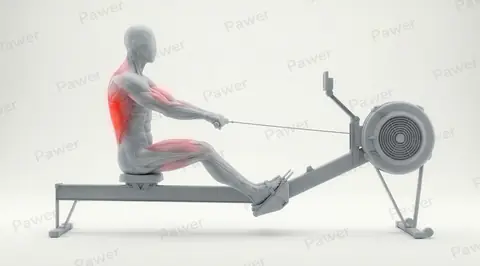
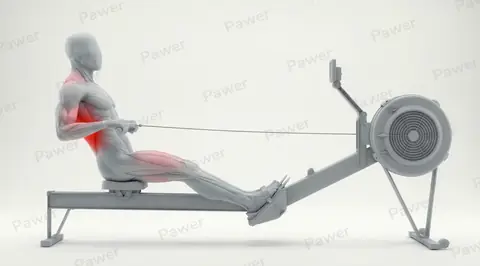
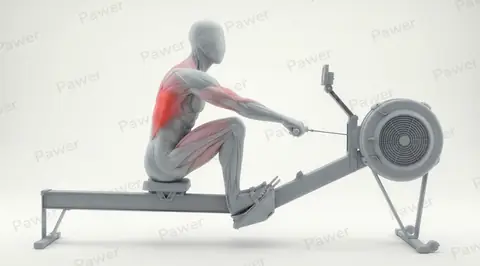
Butterfly Swim, Man Maker, and Rowing Intervals train the same primary muscles as Swim Sprint Intervals. Pick whichever one suits the day.
Similar exercises
By muscle
Every exercise is mapped to the muscles it trains. Browse by what you want to build.
By equipment
A full gym, a pair of dumbbells, or nothing at all: browse by what you have.