Steady State Ride
 Anton YefanovUpdated
- Beginner
- Bicycle
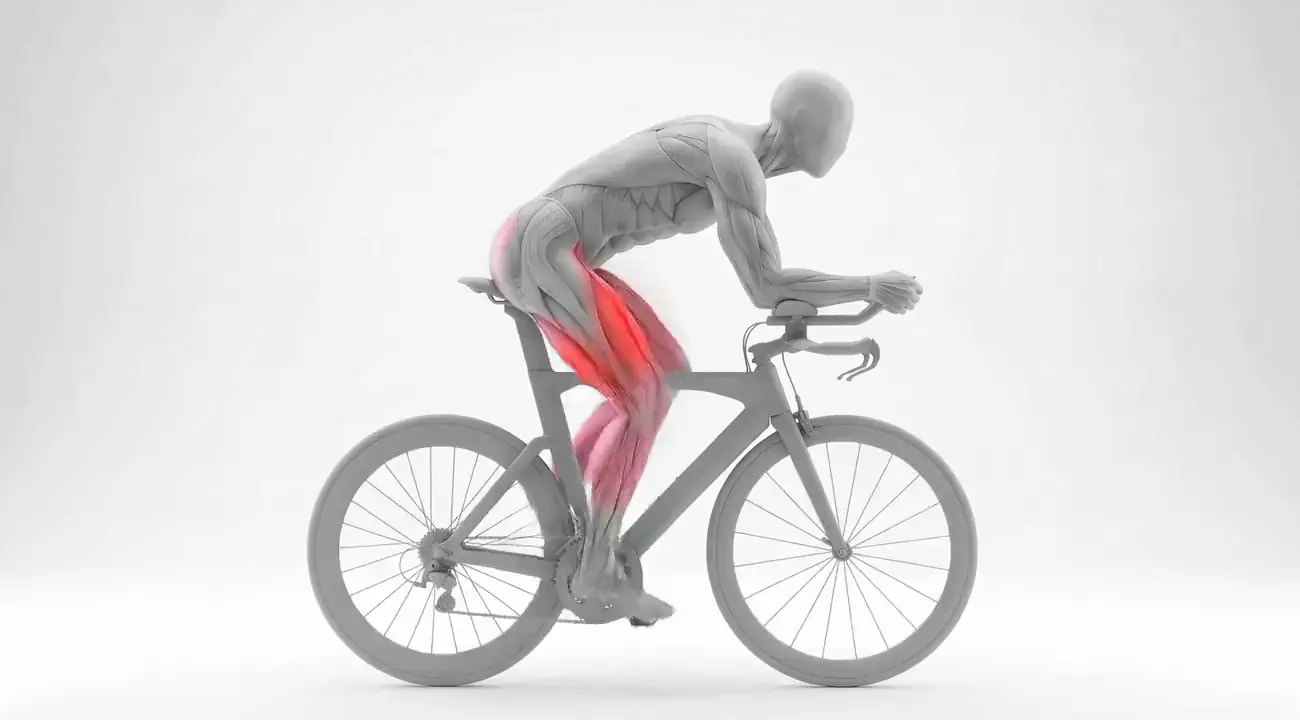
A steady state ride holds one output for the whole session. Each revolution starts with hip extension from gluteus maximus over the top of the stroke, then knee extension from vastus lateralis and vastus medialis through the downstroke, with the calves transferring force to the pedal and the hamstrings working antagonistically. The target is a complete pedal circle on every revolution rather than mashing down on the downstroke.
The intensity target is what makes it steady state. Steady state means continuous work below lactate threshold, built from about ten minutes toward thirty before harder work is added.
How to do the Steady State Ride
- Set the saddle so your knee keeps a slight bend at the bottom of the pedal stroke.
- Sit with your sit bones on the widest part of the saddle and hold the bars with relaxed arms.
- Add enough resistance that the flywheel feels loaded rather than spinning freely.
- Drive through the top of the stroke with the hips and push the pedal down through the whole foot.
- Pull through the bottom and lift on the upstroke so both legs contribute to a complete circle.
- Hold that cadence and resistance for the planned duration, keeping the torso quiet in the saddle.
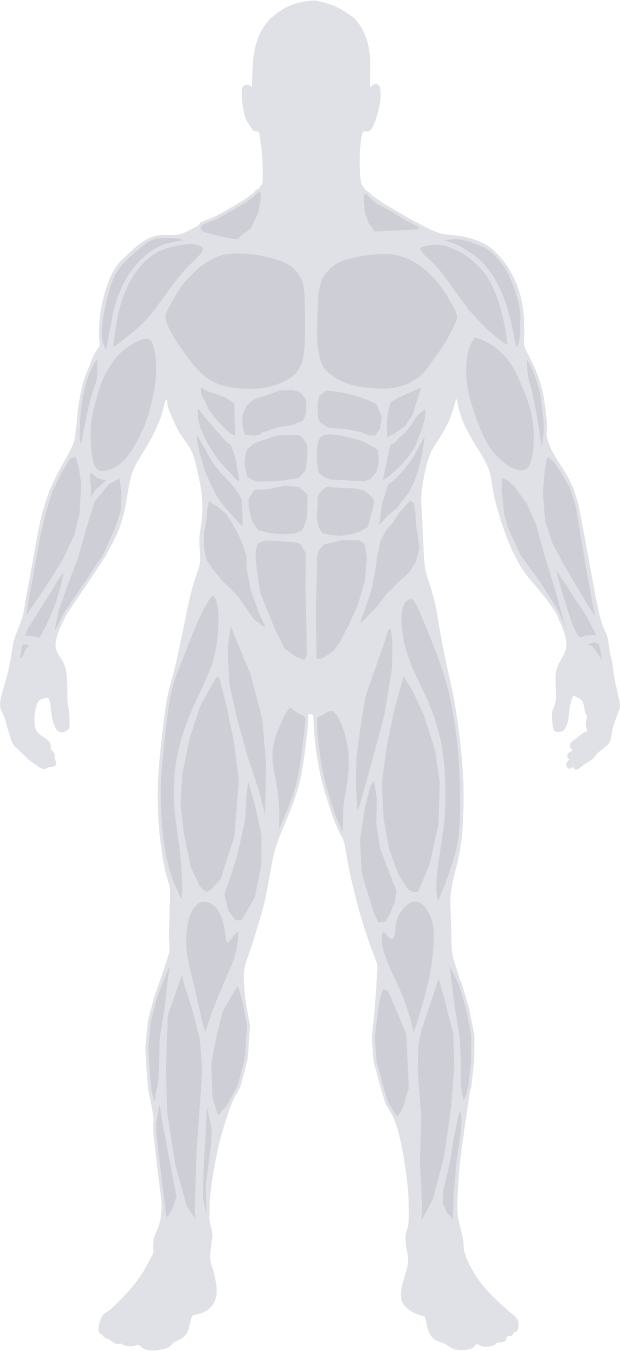
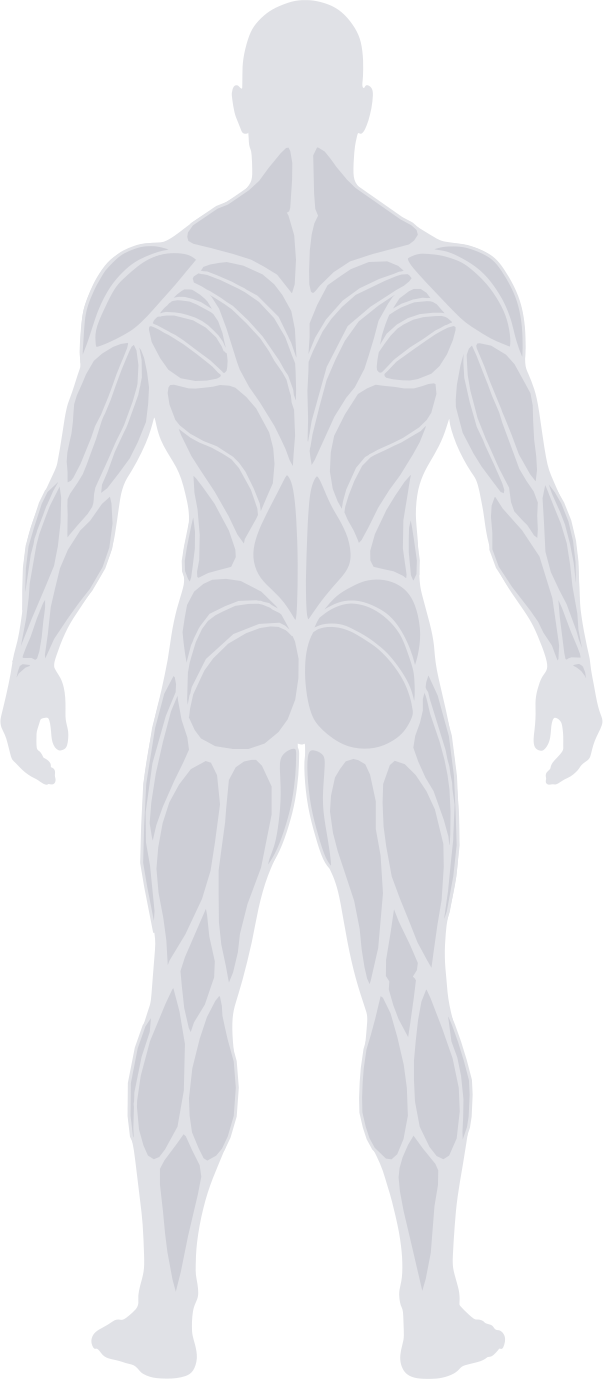
Muscles worked
- Secondary:
- Hamstrings, Calves, and Core
Why train it
- Builds aerobic base below lactate threshold with no impact on the joints.
- Loads the hip and knee extensors repeatedly at a controlled, repeatable output.
- Easy to hold and easy to measure, so progression can be tracked by duration or resistance.
Common mistakes
- Mashing straight down on the pedals, which wastes the upstroke and makes the ride choppy.
- Spinning fast with almost no resistance, which raises cadence without raising real workload.
- Sitting too far forward on the saddle, which causes discomfort and shifts load off the glutes.
- Riding a steady session too hard, which pushes it above threshold and stops it being a base ride.
Frequently asked questions
What muscles does the Steady State Ride work?
The Steady State Ride works the quads and glutes hardest, with the hamstrings, calves, and core pitching in. As cardio, though, the bigger demand is on your heart and lungs rather than any one muscle.
What equipment do I need for the Steady State Ride?
The Steady State Ride needs a stationary bike. Nothing beyond that is required to run the movement the way it is described above.
Is the Steady State Ride suitable for beginners?
Yes. The Steady State Ride is rated beginner. Start at a pace you could hold a conversation at, and build the time before you build the intensity.
Can I do the Steady State Ride at home?
Yes, if you own a stationary bike. That is the whole requirement, and it is the reason this one travels well between a home setup and a gym floor.
How long should I do the Steady State Ride for?
20 to 45 minutes at a pace you could hold a conversation at, two or three times a week. Add time before you add speed or resistance.
What are good alternatives to the Steady State Ride?
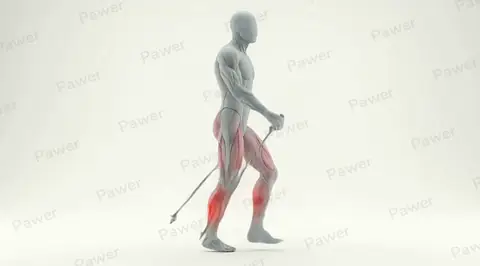
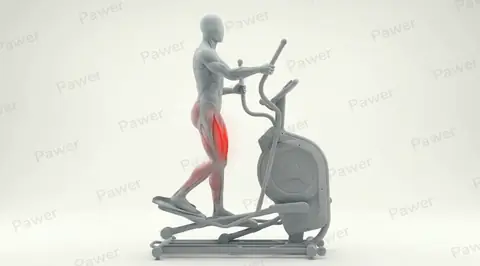
Elliptical, Hiking, and Band Squat train the same primary muscles as the Steady State Ride. Pick whichever one suits the equipment in front of you.
Similar exercises
By muscle
Every exercise is mapped to the muscles it trains. Browse by what you want to build.
By equipment
A full gym, a pair of dumbbells, or nothing at all: browse by what you have.