Cable Low Single Arm Lateral Raise
 Anton YefanovUpdated
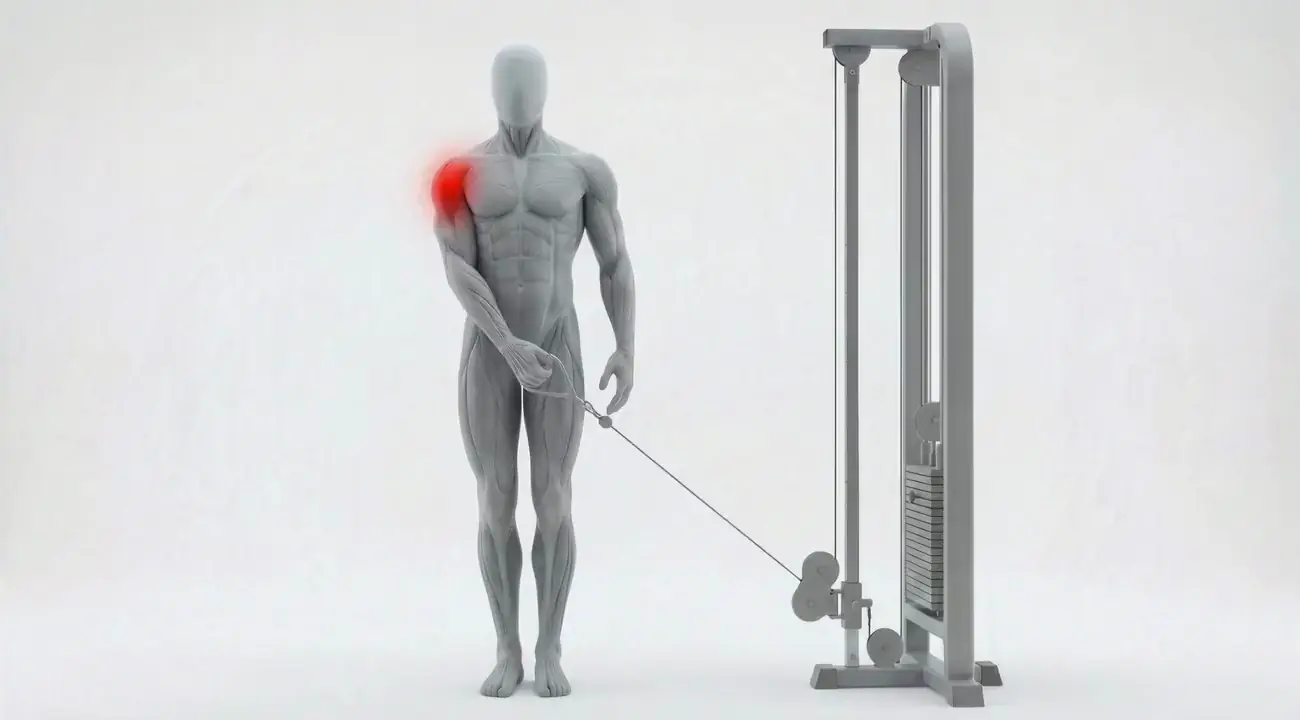
This is a lateral raise fed from a pulley set at or near the floor, worked one arm at a time. You stand side-on to the stack with the working arm furthest from it, reach across your body for the handle, then raise the arm out to the side until it is level with the floor. The single-arm cable version stays beginner-level as long as the chest is tall and the hips stay level, and the cable holds constant tension through the arc. A trial comparing dumbbell and cable lateral raises over eight weeks found both grew the lateral deltoid by a similar amount.
How to do the Cable Low Single Arm Lateral Raise
- Set a cable pulley to its lowest position and attach a single handle.
- Stand side-on to the stack so the working arm is the one furthest from the pulley.
- Reach across your body and take the handle with a neutral grip, keeping the chest tall and hips level.
- Brace your abs and press both feet into the floor.
- Raise the working arm out to the side with a slight elbow bend until it is level with the floor.
- Hold for a second, lower slowly back across your body, then finish the set and switch arms.
Muscles worked
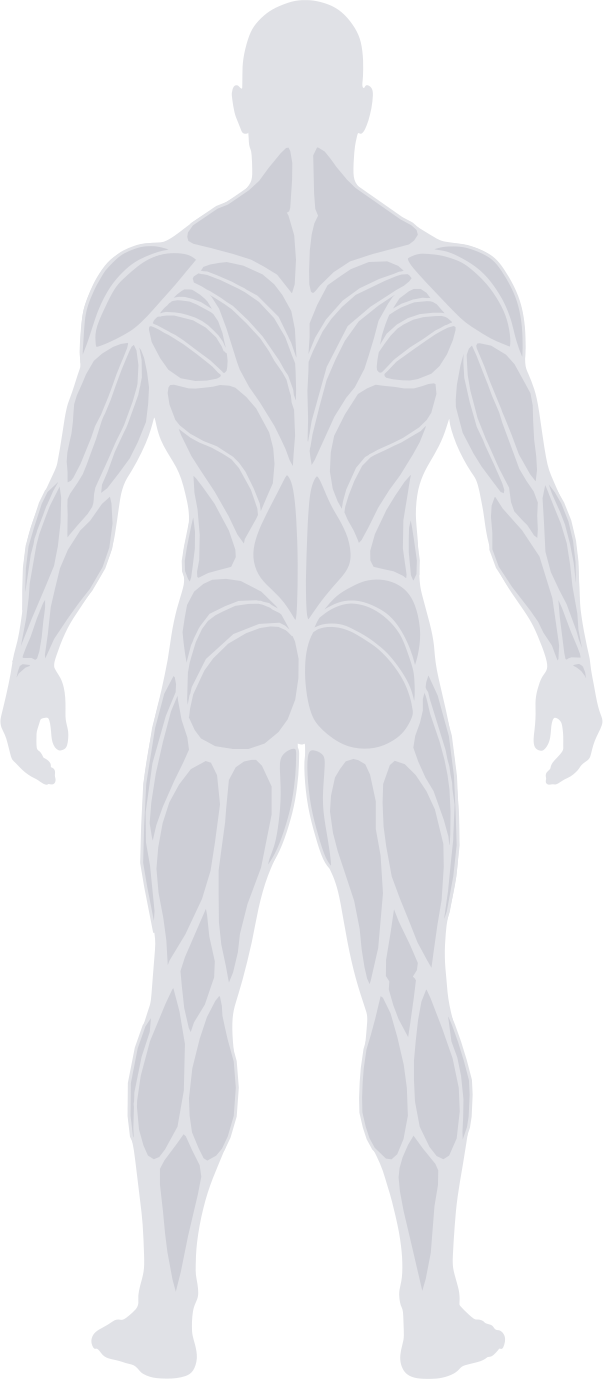
- Primary:
- Shoulders

Why train it
- Working one arm at a time exposes side-to-side differences the two-arm version hides.
- The low pulley keeps the side of the deltoid loaded at the bottom of the range.
- Trial evidence puts cable lateral raises on a par with dumbbells for lateral deltoid growth.
Common mistakes
- Swinging the torso away from the stack, which replaces deltoid work with a body swing.
- Shrugging as the arm rises, which moves the load up into the upper traps.
- Letting the handle drop back fast, which wastes the loaded stretch the low pulley creates.
- Raising past shoulder height, which shifts the work off the side of the deltoid.
Frequently asked questions
What muscles does the Cable Low Single Arm Lateral Raise work?
The Cable Low Single Arm Lateral Raise trains the shoulders as the main target. Expect the traps and core to take some of the load as well.
What equipment do I need for the Cable Low Single Arm Lateral Raise?
Only a cable machine. Nothing beyond that is required to run the movement the way it is described above.
Is the Cable Low Single Arm Lateral Raise suitable for beginners?
Yes. The Cable Low Single Arm Lateral Raise is rated beginner, and the machine holds the path for you, so there is little to get wrong once the seat and the pin are set.
Can I do the Cable Low Single Arm Lateral Raise at home?
Only if your home setup runs to a cable machine. Most do not, so this is usually a gym movement. The alternatives below cover the same muscles with kit you are more likely to have.
How many sets and reps of the Cable Low Single Arm Lateral Raise should I do?
Three to four sets of 10 to 15 reps. Isolation work responds to reps and a controlled tempo rather than load, so stop each set a rep or two short of failure and keep the weight honest.
What are good alternatives to the Cable Low Single Arm Lateral Raise?
Band External Rotation, Dumbbell Front Raise, and Kettlebell Front Raise train the same primary muscles as the Cable Low Single Arm Lateral Raise. Pick whichever one suits the equipment in front of you.
Work out your Cable Low Single Arm Lateral Raise weights
Estimate your max from a recent set, then find the weight for your next one.
- One Rep Max CalculatorTurn a recent set into an estimated max. Compare Epley, Brzycki and Lombardi, then read off your training percentages and every rep max from 2RM to 12RM.
- RPE CalculatorRate a set by effort, get an estimated max, and read off the weight for your next target. Includes a full RPE chart of percentages by reps and effort.
Similar exercises
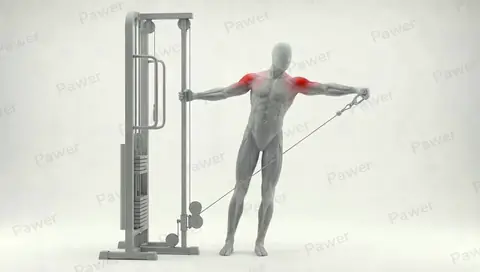 Leaning Cable Lateral RaiseCable
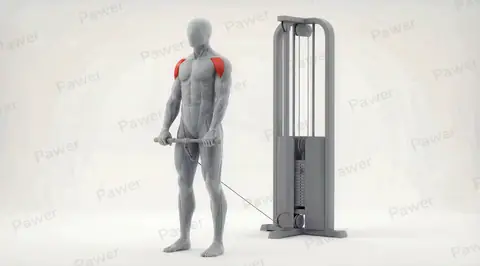 Cable Front RaiseCable
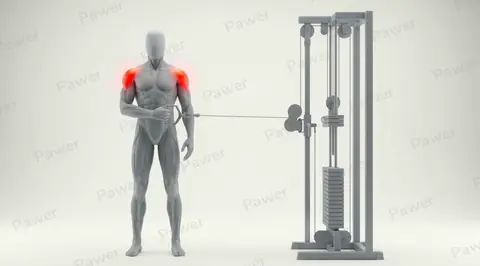 Cable External RotationCable
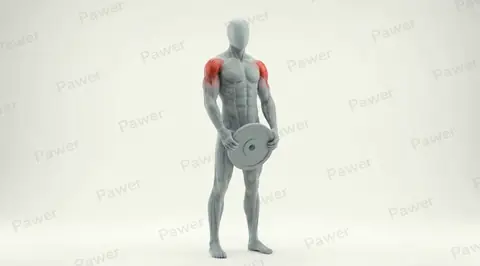 Plate Front RaiseWeight plate
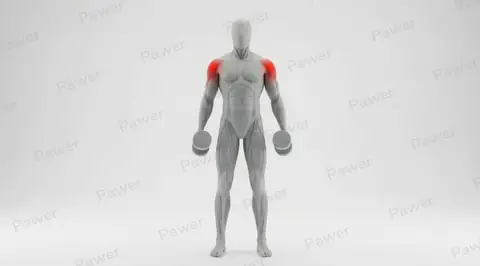 Dumbbell Lateral RaiseDumbbell
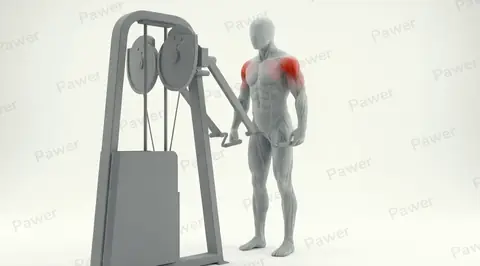 Machine Lateral RaiseMachine
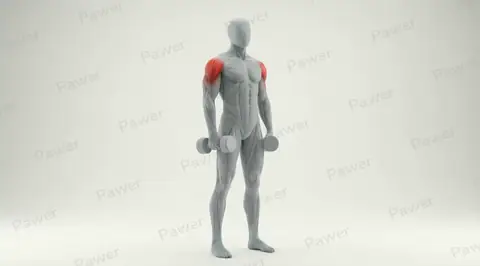 Dumbbell Front RaiseDumbbell
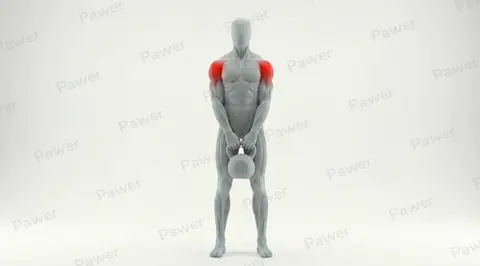 Kettlebell Front RaiseKettlebell
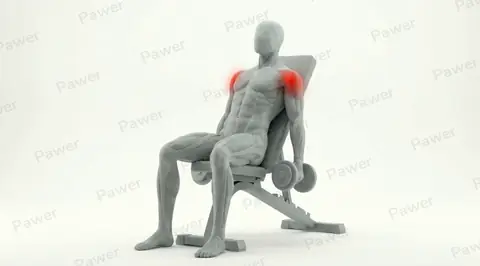 Dumbbell Incline Front RaiseDumbbell
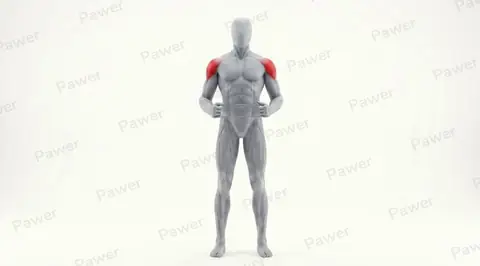 Band External RotationResistance band
By muscle
Every exercise is mapped to the muscles it trains. Browse by what you want to build.
By equipment
A full gym, a pair of dumbbells, or nothing at all: browse by what you have.