Leaning Cable Lateral Raise
 Anton YefanovUpdated
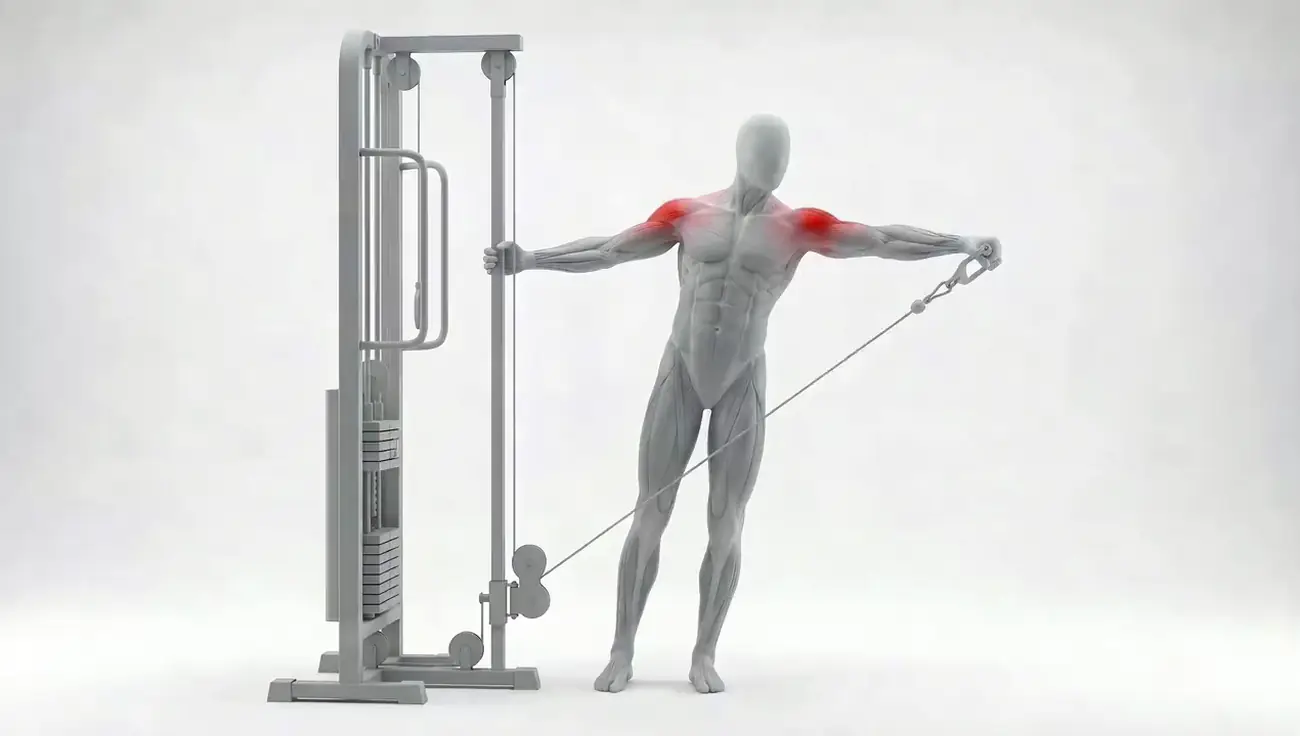
This is the single-arm cable lateral raise with the torso angled out. You grip the machine upright with the near hand, straighten that arm and lean away from the stack, then raise the outside arm out to the side until it reaches shoulder height. The joint action is the same shoulder abduction as the upright single-arm version, and the cable keeps constant tension through the arc, so arching the back or swinging into the rep only takes load off the deltoid.
How to do the Leaning Cable Lateral Raise
- Set a cable pulley to its lowest position and attach a single handle.
- Stand side-on to the stack and grip the machine upright with your near hand.
- Take the handle in your outside hand with a neutral grip across your body.
- Straighten the supporting arm and lean away from the stack until your torso is angled out.
- Raise the working arm out to the side with a slight elbow bend until it reaches shoulder height.
- Lower slowly back across your body, then finish the set and switch sides.
Muscles worked
- Primary:
- Shoulders


Why train it
- Leaning away increases the loaded range at the bottom compared with a standing raise.
- Working one arm at a time makes left-right differences visible.
- Constant cable tension holds the side of the deltoid under load through the whole arc.
Common mistakes
- Leaning so far that the supporting arm hauls you upright, which turns the raise into a row.
- Shrugging at the top, which passes the load from the side of the deltoid to the upper traps.
- Bending and straightening the elbow through the rep, which quietly shortens the working lever.
- Dropping the handle back fast, which skips the lengthened position the lean was set up to create.
Frequently asked questions
What muscles does the Leaning Cable Lateral Raise work?
The Leaning Cable Lateral Raise trains the shoulders as the main target. Expect the traps and core to take some of the load as well.
What equipment do I need for the Leaning Cable Lateral Raise?
Only a cable machine. Nothing beyond that is required to run the movement the way it is described above.
Is the Leaning Cable Lateral Raise suitable for beginners?
With some training behind you. The Leaning Cable Lateral Raise is rated intermediate, which means the setup matters as much as the effort. It is a reasonable first month goal rather than a first session one, and the alternatives below are the easier way in.
Can I do the Leaning Cable Lateral Raise at home?
Only if your home setup runs to a cable machine. Most do not, so this is usually a gym movement. The alternatives below cover the same muscles with kit you are more likely to have.
How many sets and reps of the Leaning Cable Lateral Raise should I do?
Three to four sets of 10 to 15 reps. Isolation work responds to reps and a controlled tempo rather than load, so stop each set a rep or two short of failure and keep the weight honest.
What are good alternatives to the Leaning Cable Lateral Raise?
Band External Rotation, Dumbbell Front Raise, and Kettlebell Front Raise train the same primary muscles as the Leaning Cable Lateral Raise. Pick whichever one suits the equipment in front of you.
Work out your Leaning Cable Lateral Raise weights
Estimate your max from a recent set, then find the weight for your next one.
- One Rep Max CalculatorTurn a recent set into an estimated max. Compare Epley, Brzycki and Lombardi, then read off your training percentages and every rep max from 2RM to 12RM.
- RPE CalculatorRate a set by effort, get an estimated max, and read off the weight for your next target. Includes a full RPE chart of percentages by reps and effort.
Similar exercises
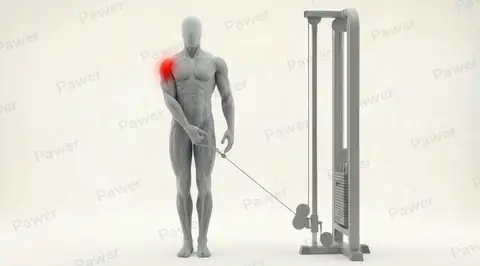 Cable Low Single Arm Lateral RaiseCable
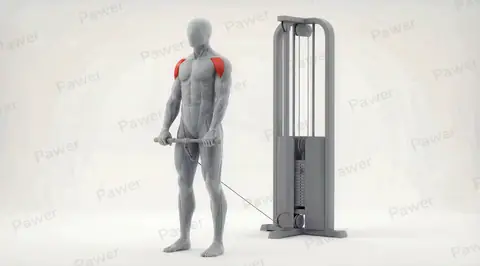 Cable Front RaiseCable
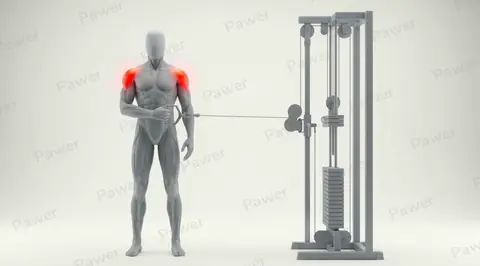 Cable External RotationCable
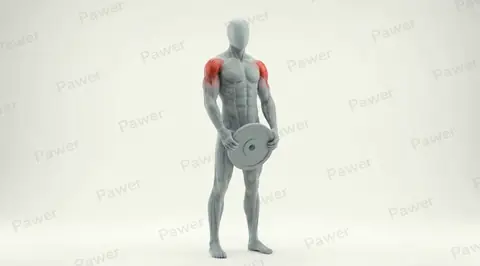 Plate Front RaiseWeight plate
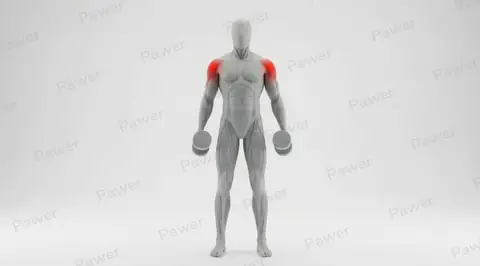 Dumbbell Lateral RaiseDumbbell
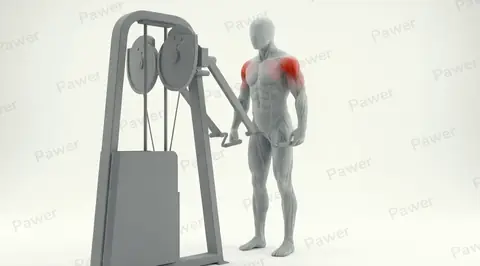 Machine Lateral RaiseMachine
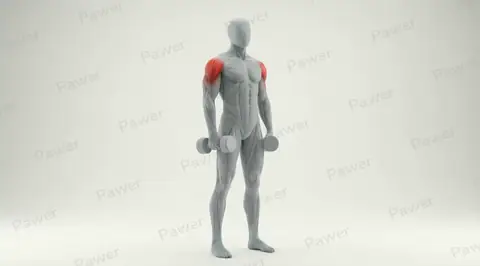 Dumbbell Front RaiseDumbbell
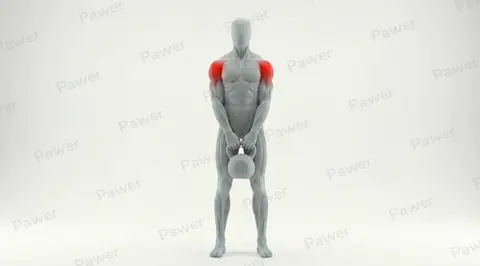 Kettlebell Front RaiseKettlebell
 Dumbbell Incline Front RaiseDumbbell
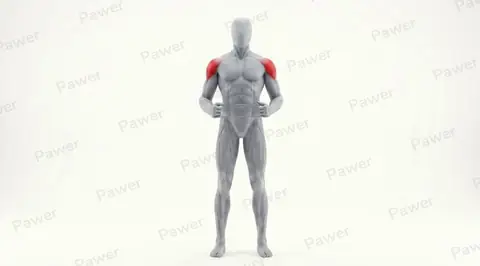 Band External RotationResistance band
By muscle
Every exercise is mapped to the muscles it trains. Browse by what you want to build.
By equipment
A full gym, a pair of dumbbells, or nothing at all: browse by what you have.