Kettlebell Shoulder Exercises
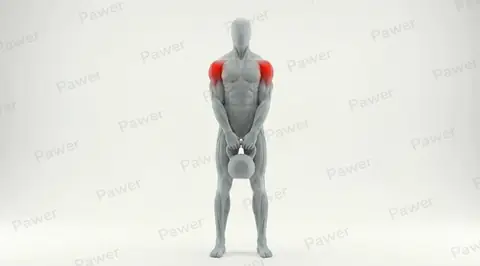
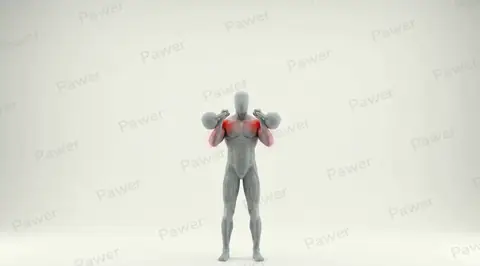
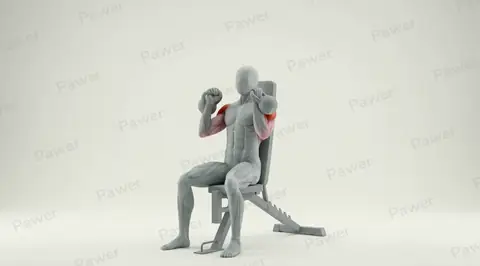
A kettlebell hangs behind the wrist rather than sitting in line with it. That offset means the weight is constantly trying to rotate your arm backward, and the shoulder has to resist that for every second the bell is racked or overhead. The result is a press that trains stability alongside strength, which is why kettlebell overhead work feels harder than the same weight in a dumbbell.
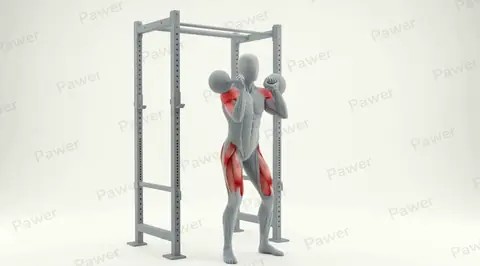
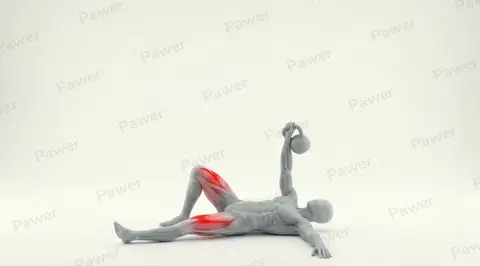
The Turkish get-up is the extreme version and the reason kettlebells earn their place in shoulder training: you hold the bell locked out overhead through a five-minute sequence of positions, from lying on the floor to standing and back. Nothing else on this page asks the shoulder to stay stable through that many angles. The push press and thruster sit at the other end, where leg drive lets you use a heavier bell than you could strictly press.
Beginner3
Intermediate2
Other equipment for Shoulders
Frequently asked questions
Why does a kettlebell press feel harder than a dumbbell press?
Because the bell's mass sits behind and below your hand rather than in it. That creates a constant rotational force your shoulder and forearm have to resist through the whole rep, on top of the pressing itself.
Is the Turkish get-up a shoulder exercise?
It is one of the best. The shoulder holds an overhead load isometrically through a long sequence of changing positions, which builds stability in ranges a press never visits. It is also a core and hip exercise, which is the point of it.
How should I hold the kettlebell in the rack position?
Bell resting on the forearm, hand near the centre of the chest, wrist straight and elbow tucked into the ribs. If the wrist is bent back the weight is fighting you before the press even starts.