Dumbbell Russian Twist
 Anton YefanovUpdated
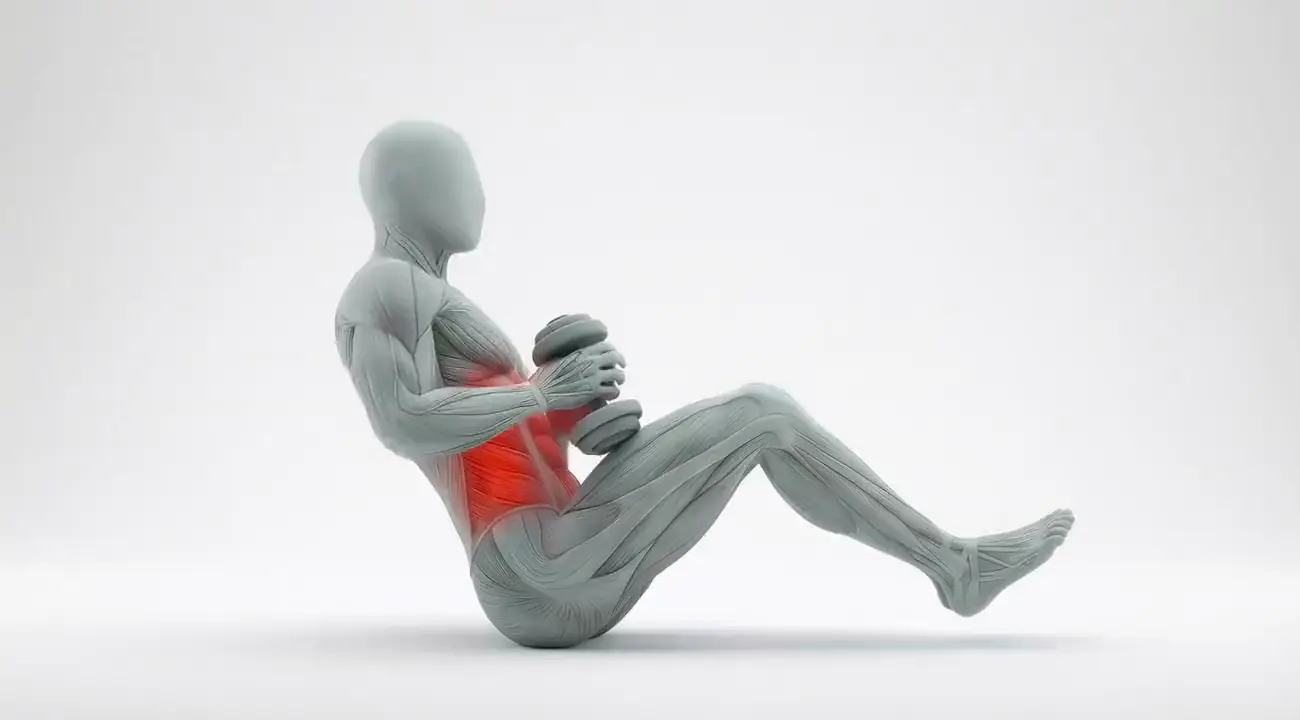
The dumbbell Russian twist is a seated rotational core exercise performed by leaning back, lifting the feet off the floor, and rotating a single dumbbell side to side across the body. It directly trains the obliques and abs through resisted rotation, building the rotational strength that sport and daily life both demand.
How to do the Dumbbell Russian Twist
- Sit on the floor with the knees bent and hold a single dumbbell with both hands at the chest.
- Lean the torso back to about a 45 degree angle and lift both feet a few inches off the floor.
- Brace the core hard and stack the ribs over the hips, with the chest lifted and the back flat.
- Rotate the dumbbell across the body to one side until it taps the floor next to your hip.
- Pause briefly at the side with the obliques engaged, then rotate to the other side under control.
- Continue alternating side to side for the full set, keeping the feet lifted and the core braced.
Muscles worked
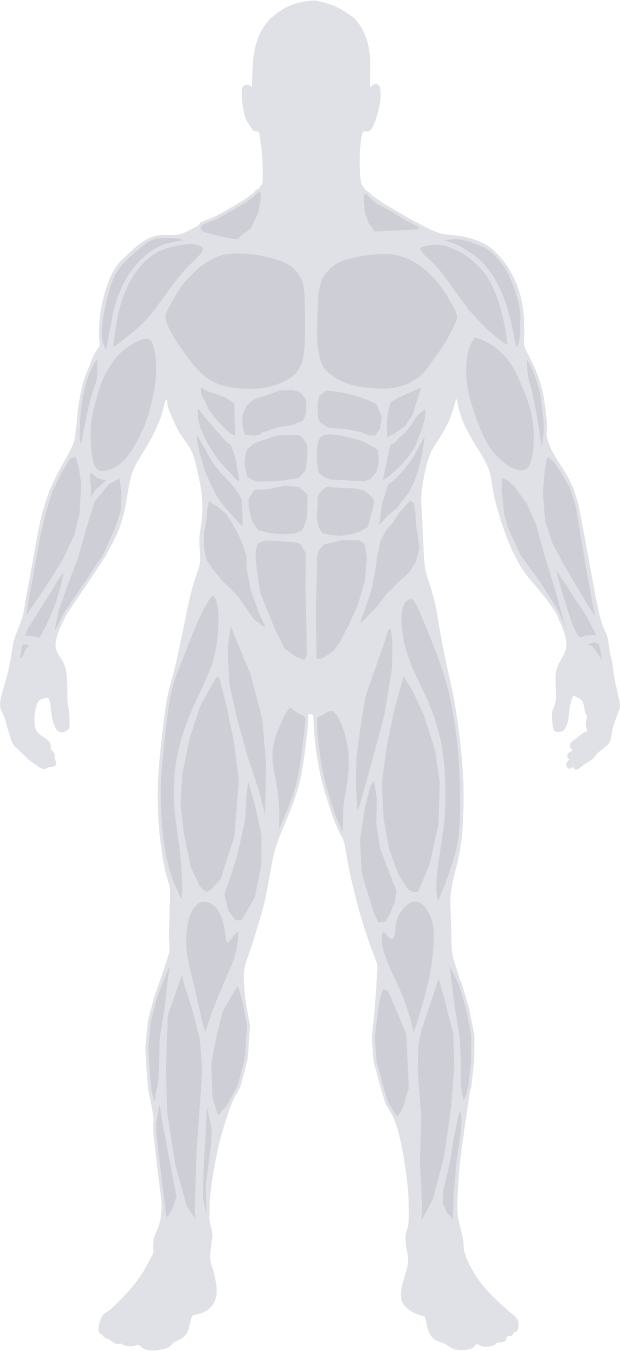
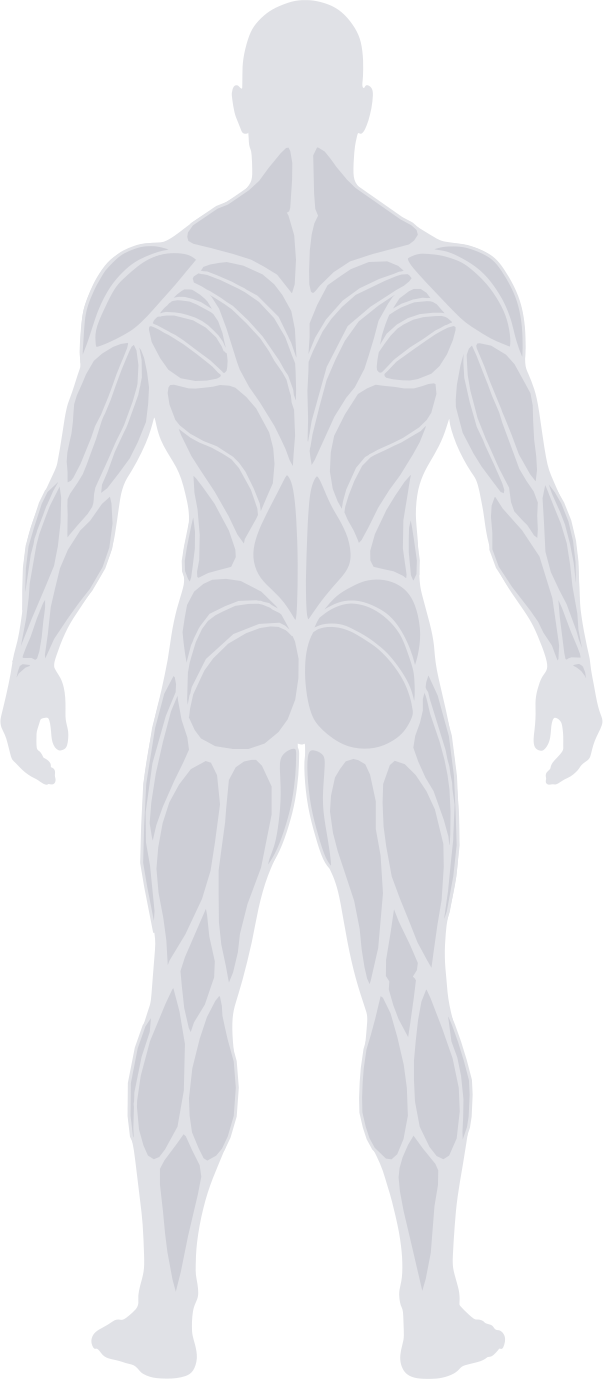
- Primary:
- Core
Why train it
- Builds visible oblique definition through resisted rotation.
- Develops rotational core strength for sport and daily movement.
- Improves trunk stability and bracing under load.
Common mistakes
- Rounding the lower back as you twist, which loads the spine instead of the obliques.
- Moving only the arms side to side without rotating through the torso, missing the oblique work.
- Putting the feet down between reps, which removes most of the core stability demand.
- Loading too heavy, which forces a swinging cheat rep and loses the controlled rotation.
Frequently asked questions
What muscles does the Dumbbell Russian Twist work?
The Dumbbell Russian Twist trains the core, and little else. No other group takes a meaningful share of the load, which is what makes this a clean way to target the core directly.
What equipment do I need for the Dumbbell Russian Twist?
Only a dumbbell. Nothing beyond that is required to run the movement the way it is described above.
Is the Dumbbell Russian Twist suitable for beginners?
With some training behind you. The Dumbbell Russian Twist is rated intermediate, which means the setup matters as much as the effort. It is a reasonable first month goal rather than a first session one, and the alternatives below are the easier way in.
Can I do the Dumbbell Russian Twist at home?
Yes, if you own a dumbbell. That is the whole requirement, and it is the reason this one travels well between a home setup and a gym floor.
How many sets and reps of the Dumbbell Russian Twist should I do?
Three sets of 10 to 12 reps per side. Drive the turn from the hips and ribs rather than the arms, and keep the load light enough that it stays that way.
What are good alternatives to the Dumbbell Russian Twist?
Cable Standing Low To High Wood Chopper, Band Wood Chopper, and Bodyweight Russian Twist train the same primary muscles as the Dumbbell Russian Twist. Pick whichever one suits the equipment in front of you.
Work out your Dumbbell Russian Twist weights
Estimate your max from a recent set, then find the weight for your next one.
- One Rep Max CalculatorTurn a recent set into an estimated max. Compare Epley, Brzycki and Lombardi, then read off your training percentages and every rep max from 2RM to 12RM.
- RPE CalculatorRate a set by effort, get an estimated max, and read off the weight for your next target. Includes a full RPE chart of percentages by reps and effort.
Similar exercises
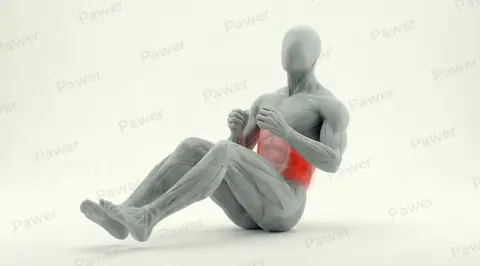 Bodyweight Russian TwistBodyweight
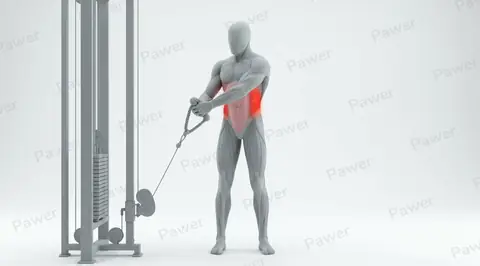 Cable Standing Low To High Wood ChopperCable
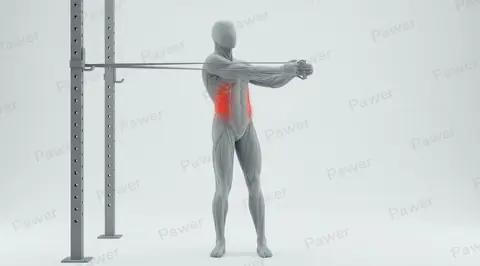 Band Wood ChopperResistance band
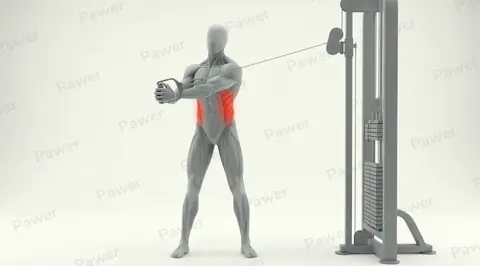 Cable Wood ChopperCable
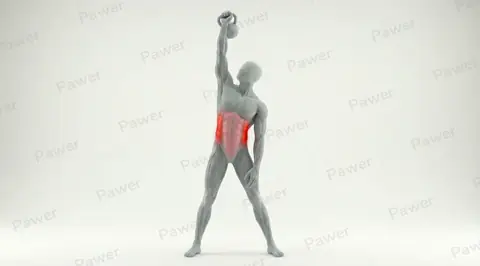 Kettlebell WindmillKettlebell
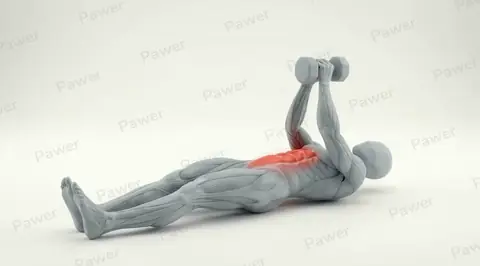 Dumbbell SitupDumbbell
 Dumbbell Spinal Jefferson CurlDumbbell
 Dumbbell SupermanDumbbell
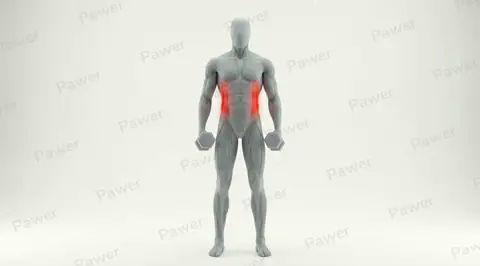 Dumbbell Side BendDumbbell
 Barbell Spinal Jefferson CurlBarbell
By muscle
Every exercise is mapped to the muscles it trains. Browse by what you want to build.
By equipment
A full gym, a pair of dumbbells, or nothing at all: browse by what you have.