Kettlebell Alternating Curtsy Lunge
 Anton YefanovUpdated
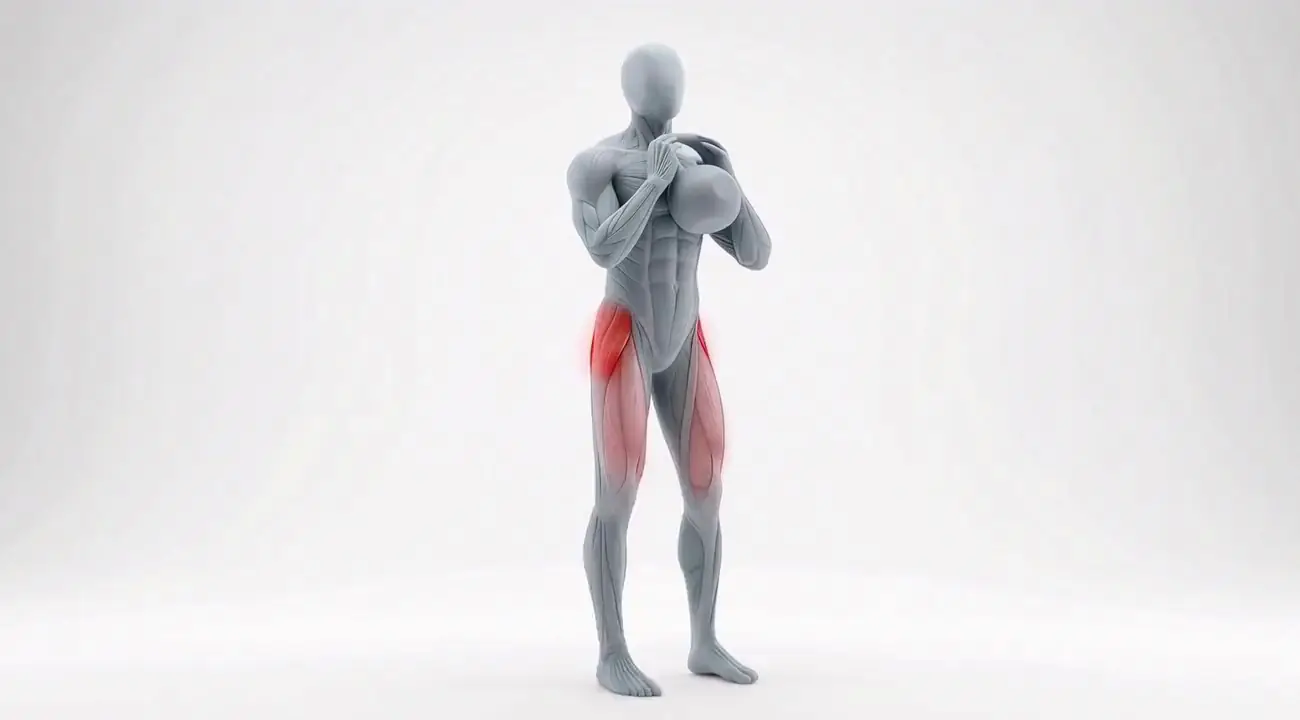
The kettlebell alternating curtsy lunge takes a classic lunge and crosses one leg behind the other in a curtsy pattern. That crossover loads the glute medius (the side of the glute responsible for hip stability) far more than a forward or reverse lunge does. Holding a kettlebell at chest height adds load and forces the core to brace as the hips rotate.
How to do the Kettlebell Alternating Curtsy Lunge
- Hold a kettlebell at chest height in a goblet grip with both hands cupping the horns.
- Stand tall with your feet hip-width apart and your core braced.
- Step one foot diagonally back and across behind your front leg, like you're starting a curtsy.
- Lower your back knee toward the floor by bending both legs, keeping the front knee tracking over the front foot.
- Drive through the heel of your front foot to push back up to the start, returning the back leg to neutral.
- Alternate sides each rep, keeping your torso upright and the kettlebell tight to your chest throughout.
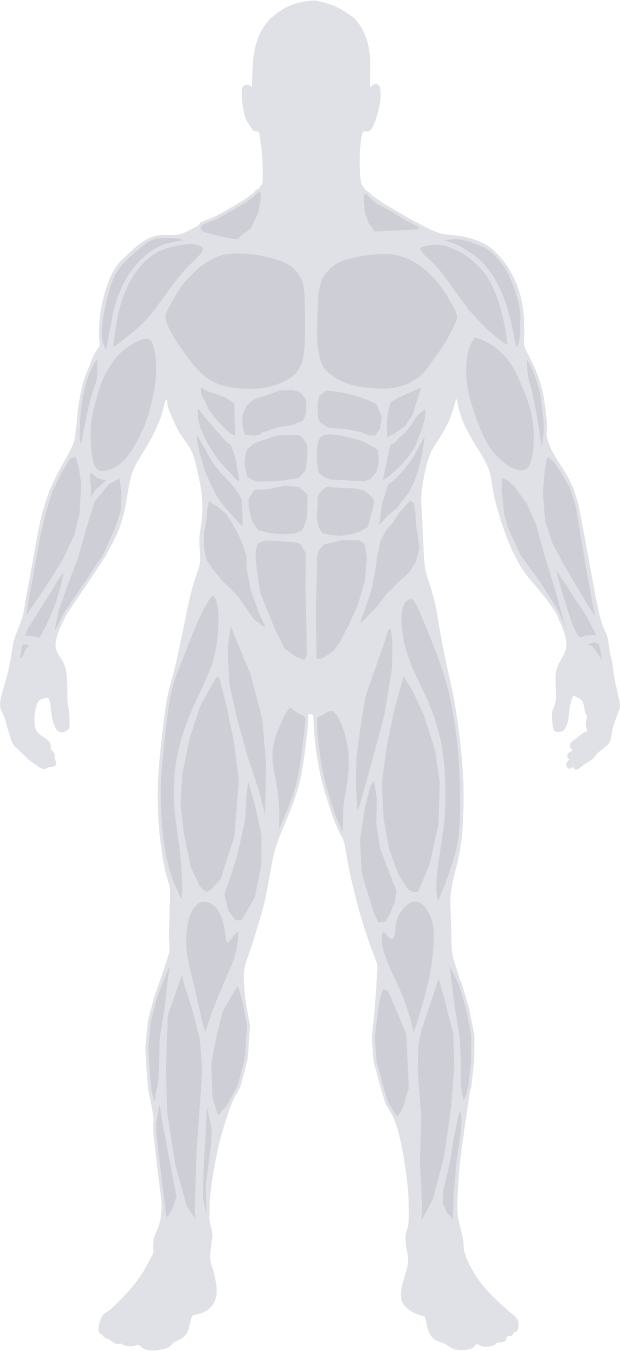
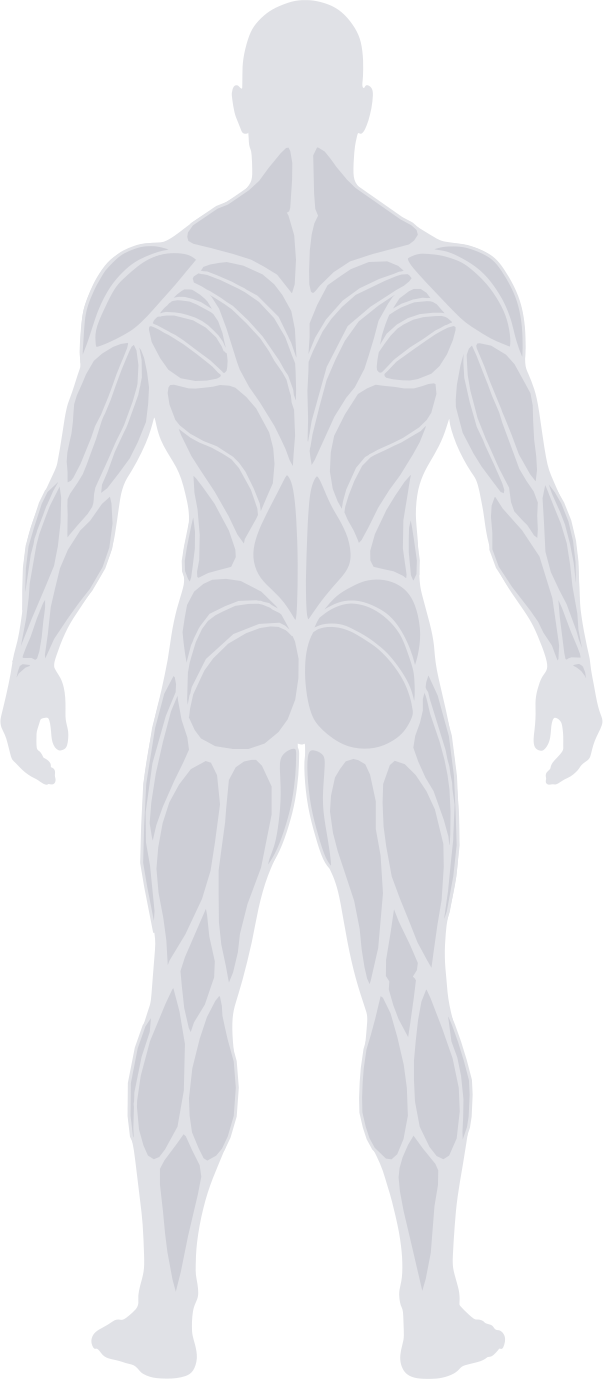
Muscles worked
Why train it
- Targets the glute medius for hip shape and lateral stability.
- Builds single-leg strength with a heavy crossover challenge.
- Improves balance and hip control under load.
Common mistakes
- Letting the front knee cave inward on the descent, which strains the knee and removes glute work.
- Crossing the back leg too far behind, which forces the hips to rotate and breaks the stable stance.
- Leaning the torso forward over the front leg, loading the lower back instead of the glutes.
- Letting the kettlebell drop away from the chest, which destabilizes the upper body and shortens the rep.
Frequently asked questions
What muscles does the Kettlebell Alternating Curtsy Lunge work?
The Kettlebell Alternating Curtsy Lunge trains the glutes as the main target. Expect the quads to take some of the load as well.
What equipment do I need for the Kettlebell Alternating Curtsy Lunge?
Only a kettlebell. Nothing beyond that is required to run the movement the way it is described above.
Is the Kettlebell Alternating Curtsy Lunge suitable for beginners?
With some training behind you. The Kettlebell Alternating Curtsy Lunge is rated intermediate, which means the setup matters as much as the effort. It is a reasonable first month goal rather than a first session one, and the alternatives below are the easier way in.
Can I do the Kettlebell Alternating Curtsy Lunge at home?
Yes, if you own a kettlebell. That is the whole requirement, and it is the reason this one travels well between a home setup and a gym floor.
How many sets and reps of the Kettlebell Alternating Curtsy Lunge should I do?
Three to four sets of 8 to 12 reps per leg. Count reps per side, not in total, and run the weaker leg first so it sets the number.
What are good alternatives to the Kettlebell Alternating Curtsy Lunge?
Barbell Split Squat, Bodyweight Alternating Lateral Lunge, and Dumbbell Alternating Forward Lunge train the same primary muscles as the Kettlebell Alternating Curtsy Lunge. Pick whichever one suits the equipment in front of you.
Work out your Kettlebell Alternating Curtsy Lunge weights
Estimate your max from a recent set, then find the weight for your next one.
- One Rep Max CalculatorTurn a recent set into an estimated max. Compare Epley, Brzycki and Lombardi, then read off your training percentages and every rep max from 2RM to 12RM.
- RPE CalculatorRate a set by effort, get an estimated max, and read off the weight for your next target. Includes a full RPE chart of percentages by reps and effort.
Similar exercises
 Dumbbell Goblet Alternating Curtsy LungeDumbbell
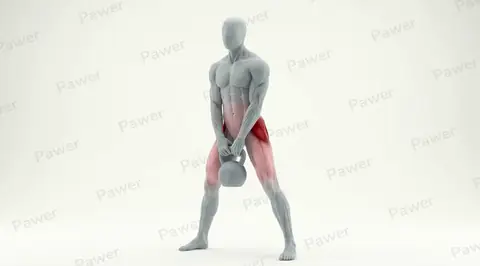 Kettlebell Sumo DeadliftKettlebell
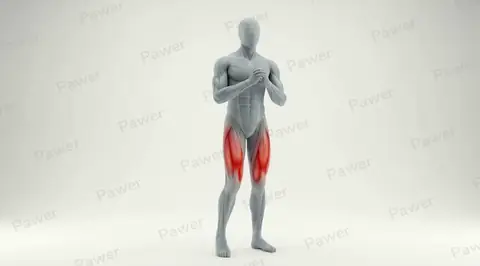 Bodyweight Alternating Lateral LungeBodyweight
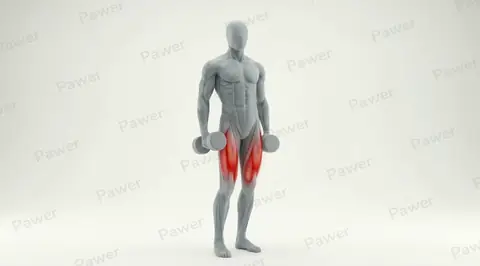 Dumbbell Alternating Forward LungeDumbbell
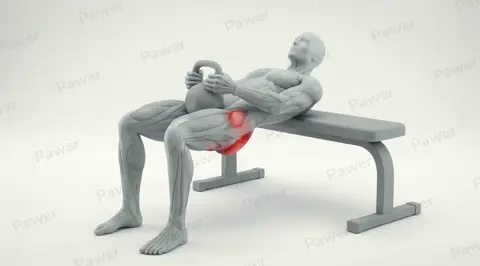 Kettlebell Hip ThrustKettlebell
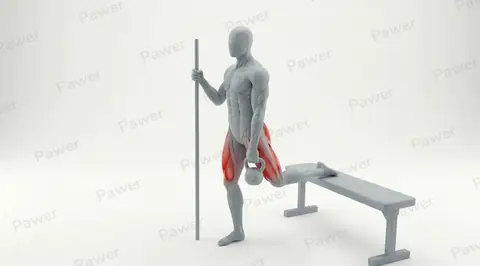 Kettlebell Assisted Bulgarian Split SquatKettlebell
 Walking LungeBodyweight
 Single-Leg Hip ThrustBodyweight
 Bodyweight Alternating Reverse LungesBodyweight
 Dumbbell Sumo SquatDumbbell
By muscle
Every exercise is mapped to the muscles it trains. Browse by what you want to build.
By equipment
A full gym, a pair of dumbbells, or nothing at all: browse by what you have.