Dumbbell Back Exercises
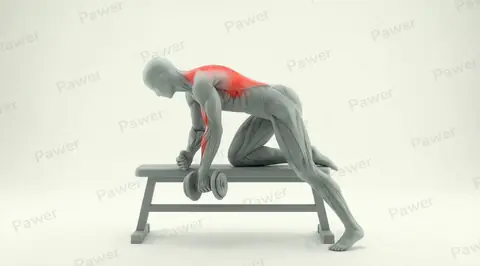
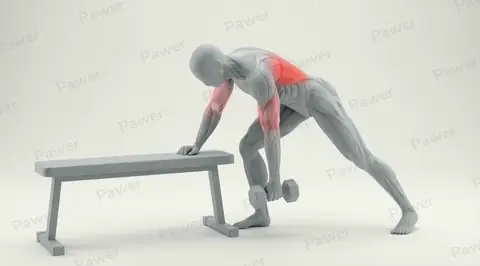
Dumbbell back training is the row, done in the positions a barbell cannot reach. Because the weight passes beside your torso rather than into it, you can pull further back and get a harder contraction at the top, and you can let the arm hang further forward at the bottom for a deeper lat stretch. The single-arm row is the classic for exactly this reason.
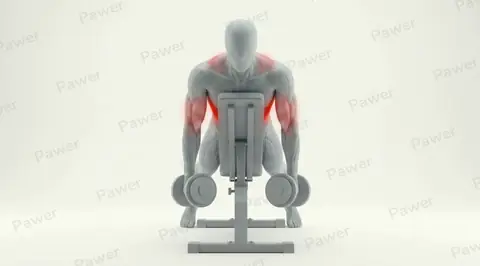
The other thing dumbbells fix is asymmetry. On a barbell row a stronger side quietly takes more of the load and you never notice; rowing one arm at a time makes the difference obvious and forces both sides to do the same work. The chest-supported dumbbell row is the version to use when your lower back is already fatigued, because lying on an incline bench removes it from the equation completely.
Beginner4
Advanced1
Other equipment for Back
Frequently asked questions
Are five dumbbell back exercises enough?
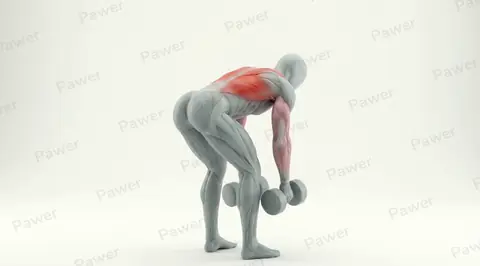
Yes. Back training needs variety of angle, not variety of exercise. A single-arm row, a bilateral row and a chest-supported row cover the horizontal pull thoroughly. Add a vertical pull like a pull-up or a band pulldown and the back is fully trained.
One-arm or two-arm dumbbell rows?
One arm at a time gives more range and more attention per side, and lets you brace against a bench. Two arms at once is more time-efficient and lets you use a heavier total load. Most lifters get the best of it by leading with single-arm rows and using bilateral rows for volume.
How do I feel dumbbell rows in my back instead of my arms?
Lead with the elbow rather than the hand, pull the weight toward your hip rather than straight up, and let the shoulder blade travel, allowing it to move forward at the bottom and squeeze it back at the top. If the biceps still dominate, the weight is too heavy.