Resistance Band Back Exercises
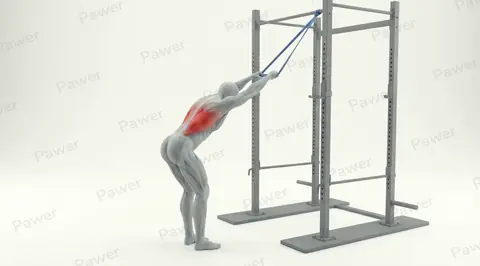
A band is the most portable back tool there is, and the back happens to be the muscle group that adapts best to it. Rows and pulldowns are horizontal and vertical pulls, and a band anchored at the right height reproduces both faithfully. The resistance builds as the band stretches, which means the hardest point of the rep is the top, exactly where the back is most contracted and where free weights tend to go slack.
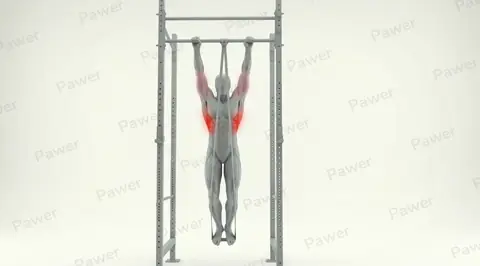
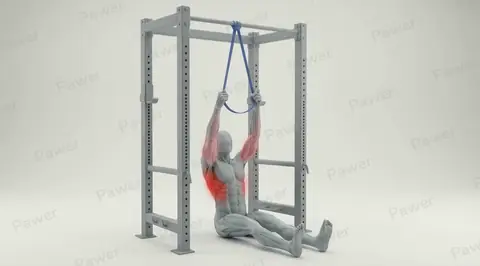
The band assisted pull-up earns its place separately: looping a band under your feet takes the most weight off at the bottom of the rep, where a pull-up is hardest, and almost none at the top. That is the right shape of help, and it is the most practical way to build up to an unassisted pull-up at home.
Beginner5
Other equipment for Back
Frequently asked questions
Can resistance bands really build back muscle?
Yes, especially for beginners and for anyone training at home. The limit is load. Once you are strong, even a heavy band stops being challenging at the bottom of a row. Bands remain useful after that as warm-ups, high-rep finishers and travel training.
Where do I anchor the band for back exercises?
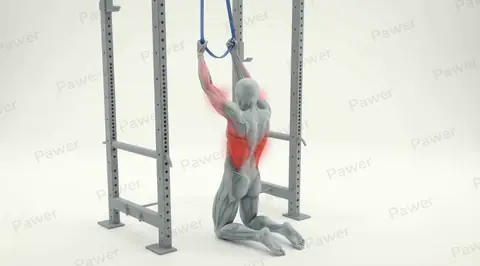
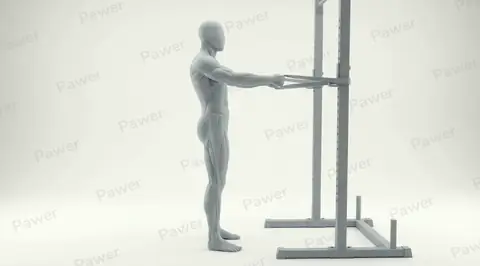
At chest height or below for rows, and above head height (a door anchor or a pull-up bar) for pulldowns and pullovers. If you have no high anchor, kneeling band pulldowns from a doorway anchor get you close.
How do I make band back exercises harder?
Step further from the anchor to pre-stretch the band, double it up, or switch to a thicker band. Slowing the return and pausing at the fully contracted position also adds a lot, because that is where band tension is highest.