Cable Back Exercises
Cables give the back something free weights cannot: resistance that never lets up. At the top of a dumbbell row gravity is pulling straight down while your arm is travelling backward, so the last few inches are nearly free. A cable row keeps pulling along the exact line you are working against for the whole rep.
This selection covers both directions of pull. Lat pulldowns in wide, narrow, neutral and single-arm grips are the vertical work that builds width, and the grip you choose decides how much biceps comes along. Seated cable rows are the horizontal work that builds thickness. The straight-arm pulldown and rope pullover are the outliers worth knowing: with the elbows locked, the biceps cannot contribute at all, which makes them the closest thing to a pure lat isolation exercise.
Beginner12
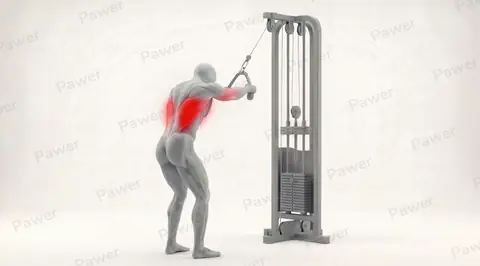 Cable Rope PulloverCable
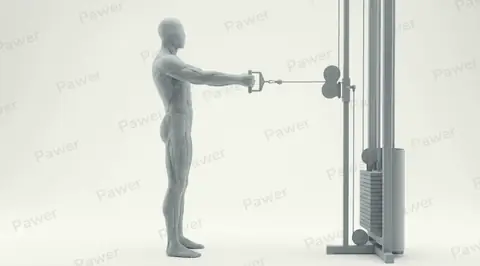 Cable Row Bar Standing RowCable
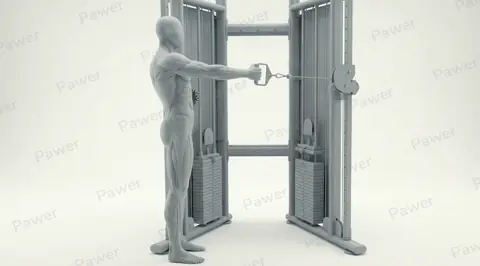 Cable Single Arm Neutral Grip RowCable
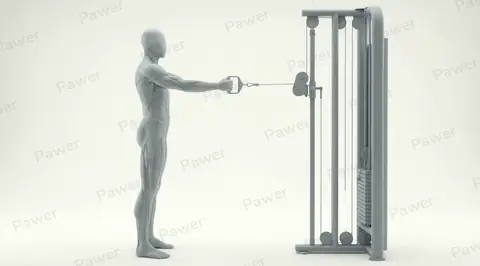 Cable Single Arm Underhand Grip RowCable
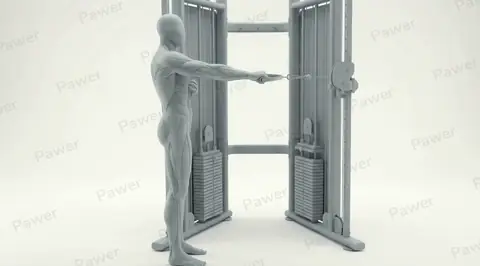 Cable Supinating RowCable
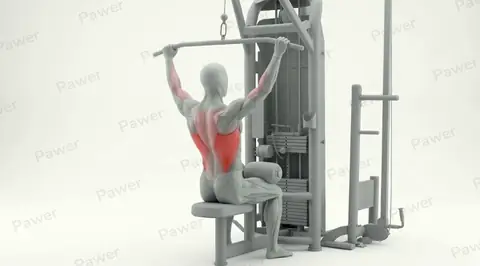 Lat PulldownCable
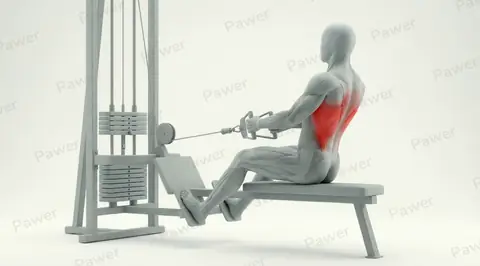 Machine Seated Cable RowCable
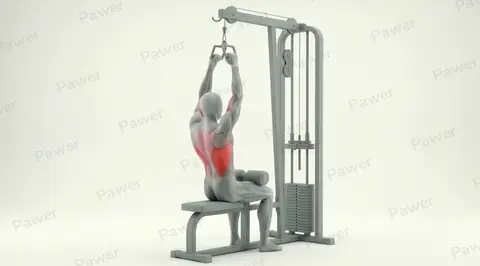 Neutral-Grip Lat PulldownCable
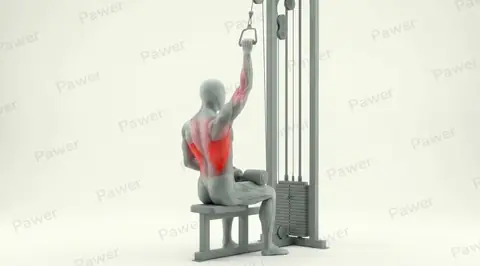 Single-Arm Lat PulldownCable
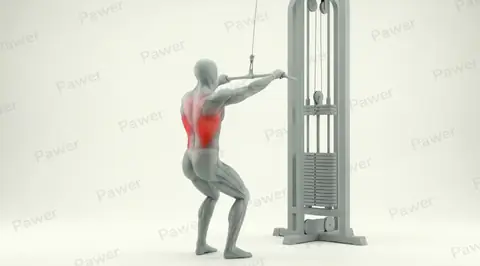 Straight-Arm Lat PulldownCable
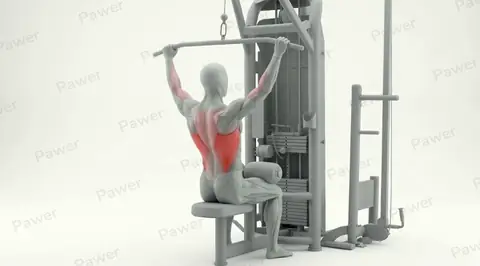 Wide-Grip Lat PulldownCable
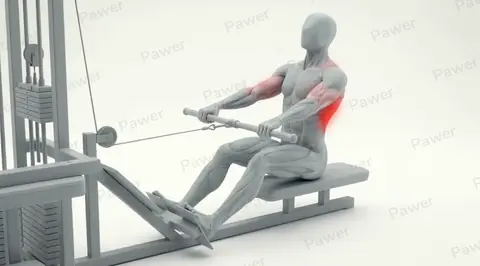 Wide-Grip Seated Cable RowCable
Other equipment for Back
Frequently asked questions
Wide-grip or narrow-grip lat pulldown?
Wide-grip emphasises the upper lats and gives the classic width stimulus, but through a shorter range. Narrow and neutral grips let you pull further and bring in more of the lower lat and mid-back. Rotate them rather than picking one forever.
What is a straight-arm pulldown for?
Isolating the lats. Because the elbows stay locked, the biceps are taken out of the movement entirely and the lat has to do the whole job of pulling the arm down and back. It is the best cable exercise for learning what a lat contraction feels like.
Should I pull the bar to my chest or behind my neck?
To your chest. Behind-the-neck pulldowns force the shoulder into extreme external rotation for no extra back stimulus, and are one of the more reliable ways to irritate a shoulder. There is no version of this exercise where behind the neck is the better option.