Cable Glute Exercises
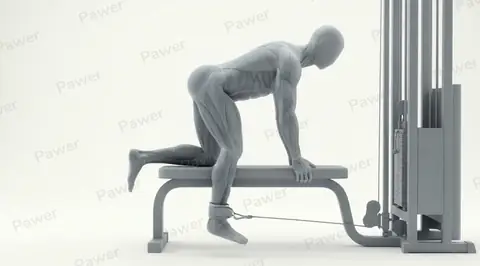
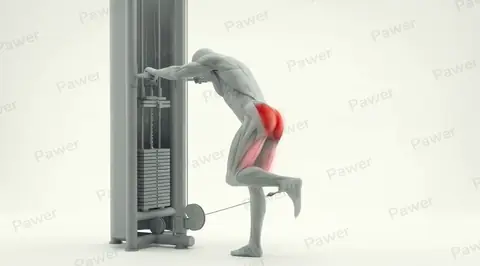
Cables do for the glutes what they do for the chest: keep tension on the muscle where free weights lose it. A bodyweight glute kickback is almost weightless at the top of the rep; a cable kickback is hardest exactly there, at full hip extension, which is the position the glute is built to produce force in.
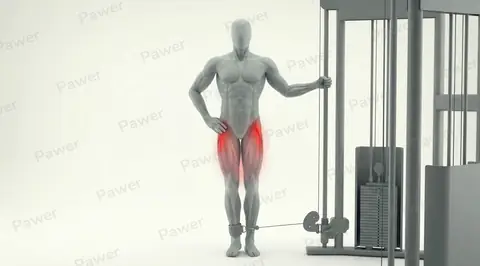
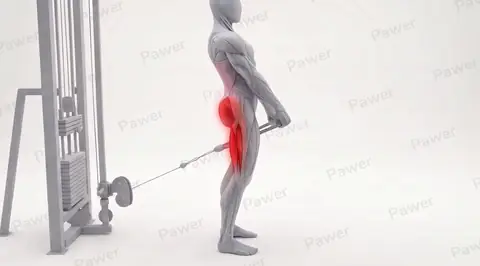
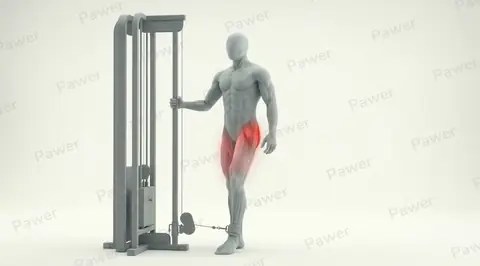
The cable pull-through is the standout on this page. It is a hinge, hips back then hips forward, with the resistance pulling horizontally from behind you instead of downward. That matches the direction the glutes actually work, so it gives you a Romanian deadlift's pattern with a hip thrust's resistance angle, and it is far easier on the lower back than either. The abduction variations cover the gluteus medius on the outer hip.
Beginner5
Other equipment for Glutes
Frequently asked questions
What is a cable pull-through good for?
Learning and loading the hip hinge with the resistance pulling in the right direction. Because the cable pulls backward rather than down, the hardest point is full hip extension where the glutes finish the movement. It is a gentler alternative to Romanian deadlifts for anyone with a cranky lower back.
Are cable kickbacks worth doing?
Yes, as accessory work. They isolate the gluteus maximus at full contraction with constant tension, which compound lifts do not do well. They are not a substitute for hip thrusts or hinges, which move far more load.
How heavy should cable glute exercises be?
Light enough that the movement comes from the hip and not from your lower back arching or your torso swinging. Kickbacks and abductions are small-range isolation exercises, and twelve to twenty controlled reps beats eight with momentum.