Bodyweight Glute Exercises
The glutes are unusual: they respond extremely well to bodyweight training, because the exercises that load them best are single-leg or hip-dominant, and both make your own weight feel much heavier. A glute bridge is easy on two legs and genuinely hard on one. A Bulgarian split squat with no weight at all is harder than a two-legged squat with a bar.
This page covers the two families that matter. The bridge and hip thrust family, covering the glute bridge, single-leg bridge, B-stance and single-leg hip thrust and the frog pump, loads the glute where it is fully contracted at the top. The squat and lunge family of reverse lunges, lateral lunges, walking lunges, split squats and step-downs loads it stretched at the bottom. Doing only one leaves half the muscle undertrained.
Beginner15
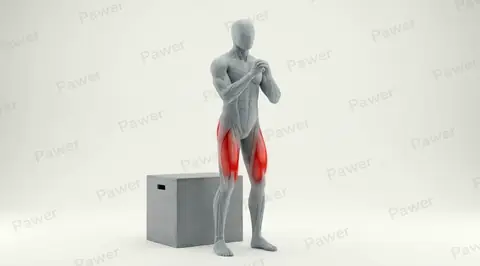 Bodyweight Box SquatBodyweight
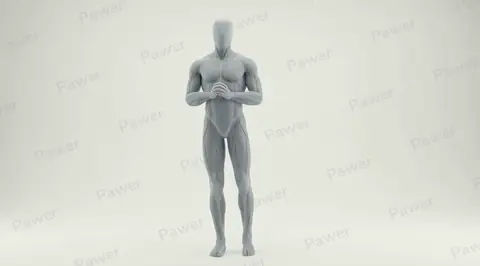 Bodyweight Hip AbductionBodyweight
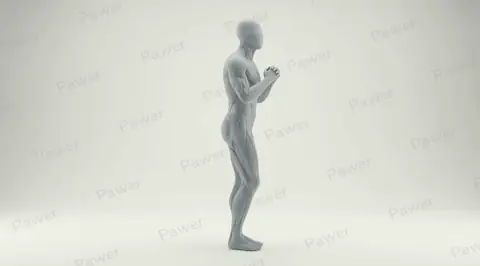 Bodyweight Reverse LungeBodyweight
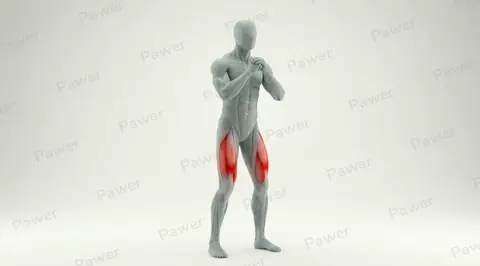 Bodyweight SquatBodyweight
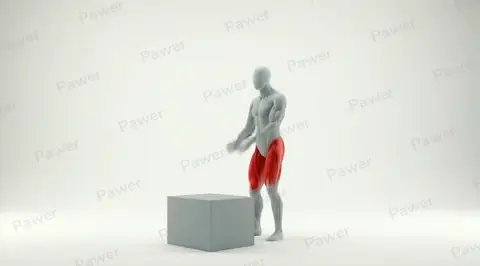 Box JumpBodyweight
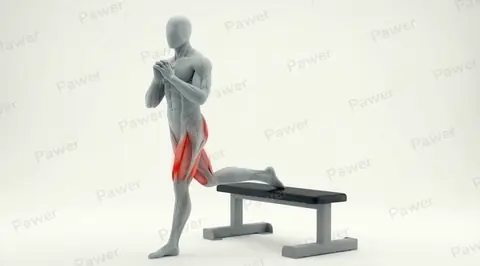 Bulgarian Split SquatBodyweight
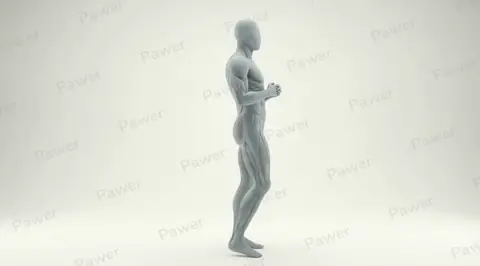 Forward LungeBodyweight
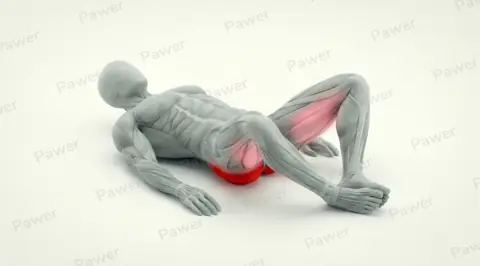 Frog PumpBodyweight
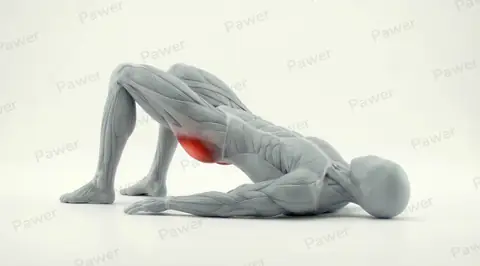 Glute BridgeBodyweight
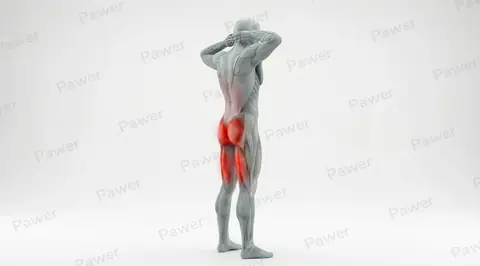 Good MorningsBodyweight
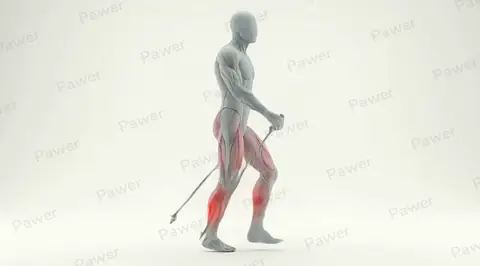 HikingBodyweight
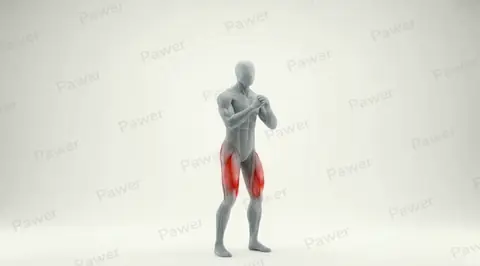 Jump SquatsBodyweight
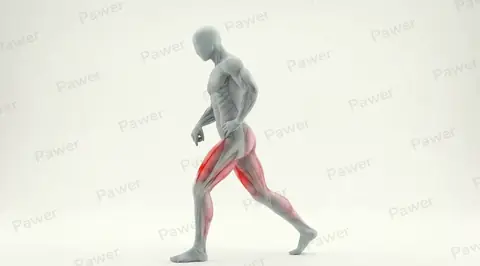 Running CooldownBodyweight
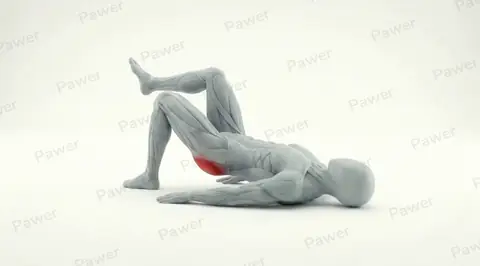 Single Leg Glute BridgeBodyweight
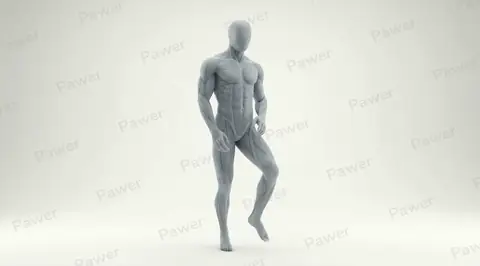 Single Legged Romanian DeadliftsBodyweight
Intermediate10
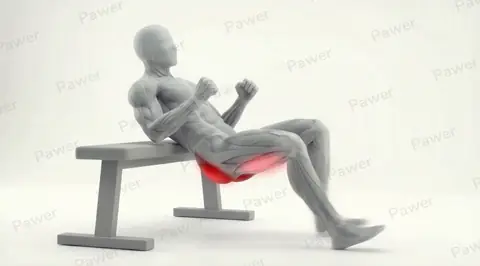 B-Stance Hip ThrustBodyweight
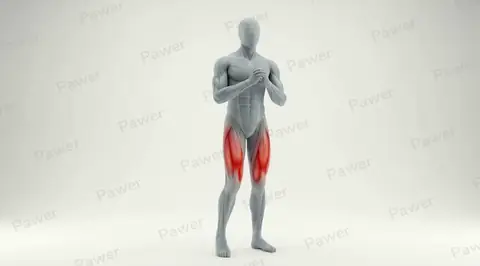 Bodyweight Alternating Lateral LungeBodyweight
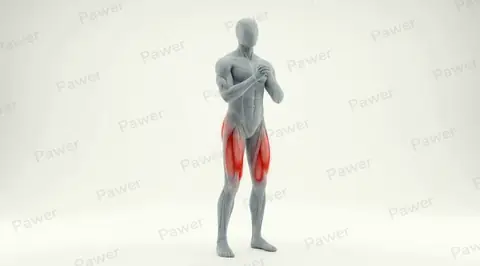 Bodyweight Alternating Reverse LungesBodyweight
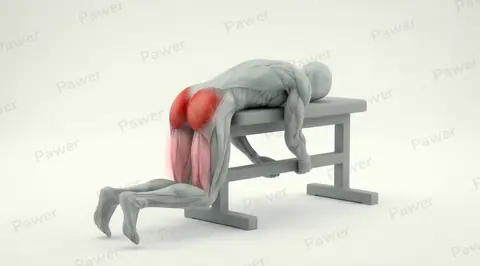 Reverse HyperextensionBodyweight
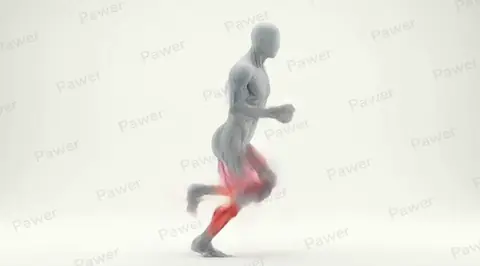 Running IntervalsBodyweight
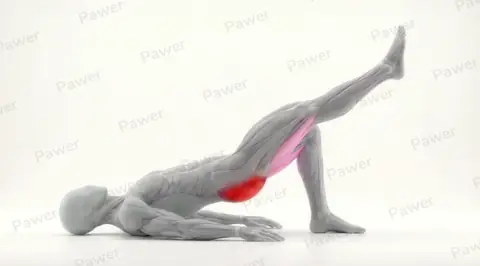 Single-Leg Hip ThrustBodyweight
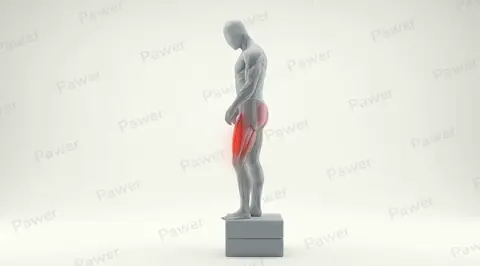 Single-Leg Step-DownBodyweight
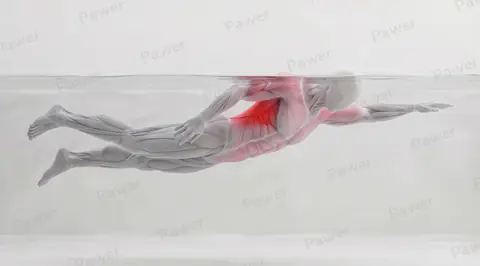 Swim Kick DrillBodyweight
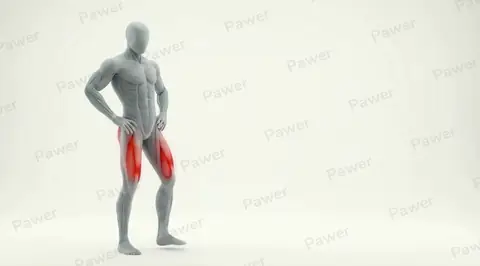 Walking LungeBodyweight
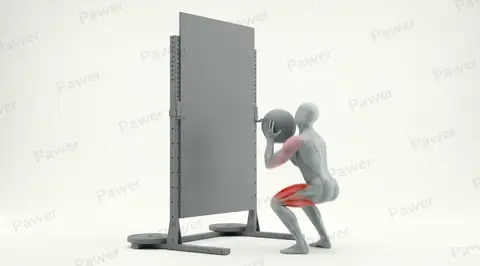 Wall BallBodyweight
Advanced1
Other equipment for Glutes
Frequently asked questions
Can you grow glutes with bodyweight exercises?
Yes, more so than most muscle groups. Single-leg variations put your full bodyweight through one hip, which is a real load, and the glutes respond well to the high-rep work bodyweight lends itself to. Progress by moving to one leg and elevating the front or back foot before you worry about adding weight.
Glute bridges or squats for glutes?
Both, because they load the muscle in opposite positions. Bridges and hip thrusts are hardest at the top, where the glute is fully shortened. Squats and lunges are hardest at the bottom, where it is stretched. A programme with only one of them leaves growth on the table.
Why do I feel lunges in my quads instead of my glutes?
Because of step length and torso angle. A longer step with the torso leaning slightly forward shifts the work to the hip; a short, upright step loads the knee and quad. Reverse lunges and Bulgarian split squats bias the glutes more than forward lunges do.