Cable Pull Through
Also known as: Rope Pull Through and Cable Glute Pull Through
 Anton YefanovUpdated
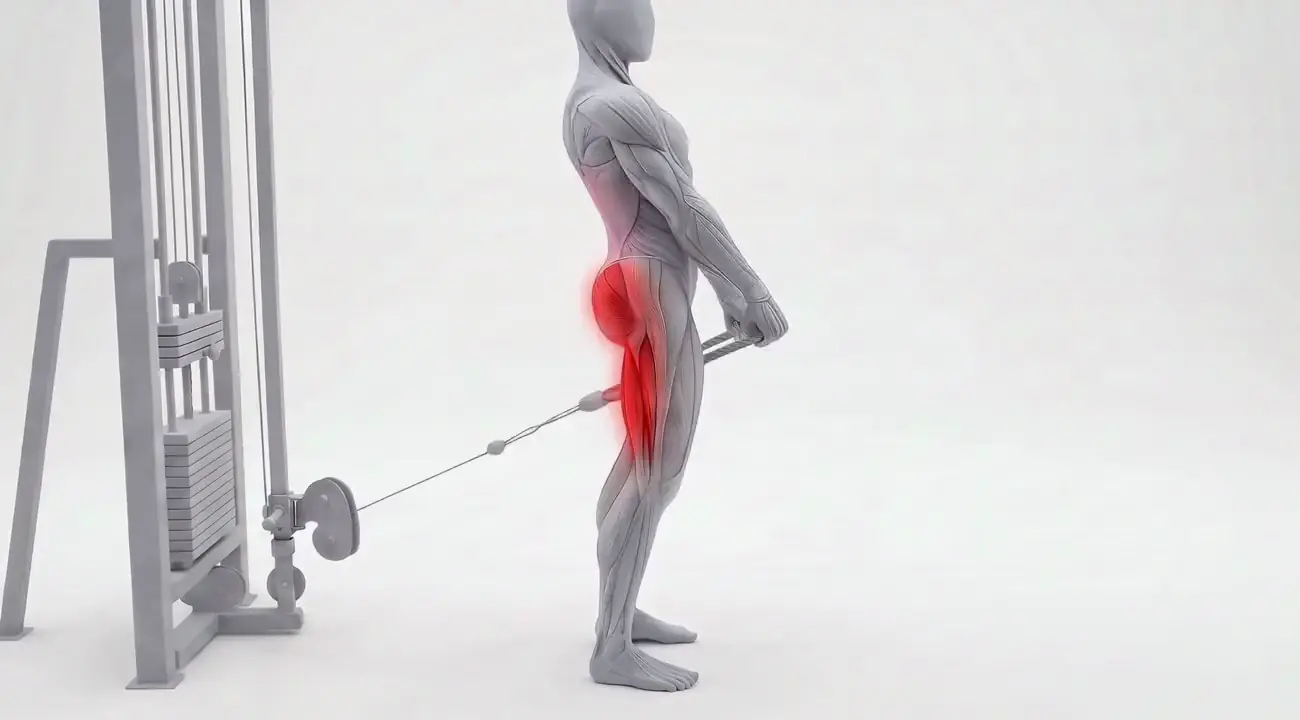
The cable pull through is a hip hinge where the resistance comes from behind rather than from a bar on the back. A rope on the lowest pulley is held between the legs, and the lifter hinges until the torso is close to parallel before driving the hips forward to stand. Because the load line runs horizontally, the spine carries very little compressive force while the glutes and hamstrings still work through a full range. That combination makes it a common teaching tool for the hinge pattern and a high-volume glute exercise when heavier hinging is fatiguing.
How to do the Cable Pull Through
- Attach a rope to the lowest setting on a cable stack and face away from the machine.
- Straddle the cable, reach between your legs and take one rope end in each hand.
- Walk forward until the cable is taut, then set your feet about shoulder width apart.
- Push your hips back and hinge forward with a flat back until the rope passes behind your legs.
- Drive the hips forward and squeeze the glutes to stand tall, keeping the arms straight.
- Control the return as the cable pulls you back into the hinge, then repeat.
Muscles worked
The cable pull through works the glutes first, with the hamstrings helping to extend the hips and the core holding the spine flat. Facing away from a low pulley and hinging forward lets the cable pull your hips back, so standing up again is hip extension, the glute max's main job.
Because the cable pulls horizontally from behind, the resistance stays strong right up to the moment you stand tall. That makes the lockout, when you drive the hips forward and squeeze, the point where the glutes work hardest. The hamstrings take more of the load in the bottom of the hinge, where they are stretched as your torso approaches parallel. A slightly wider stance and soft knees keep the emphasis on the glutes; straighter legs and a deeper hinge shift it toward the hamstrings. Keep your arms straight, since they only hold the rope.
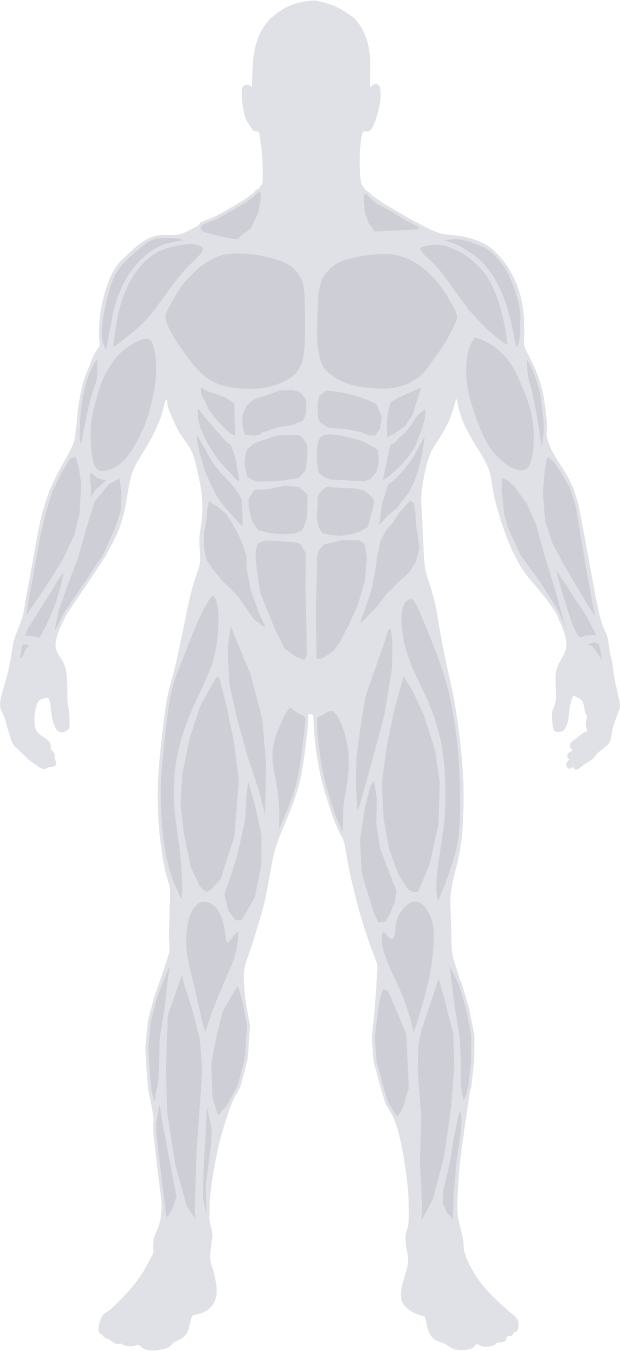
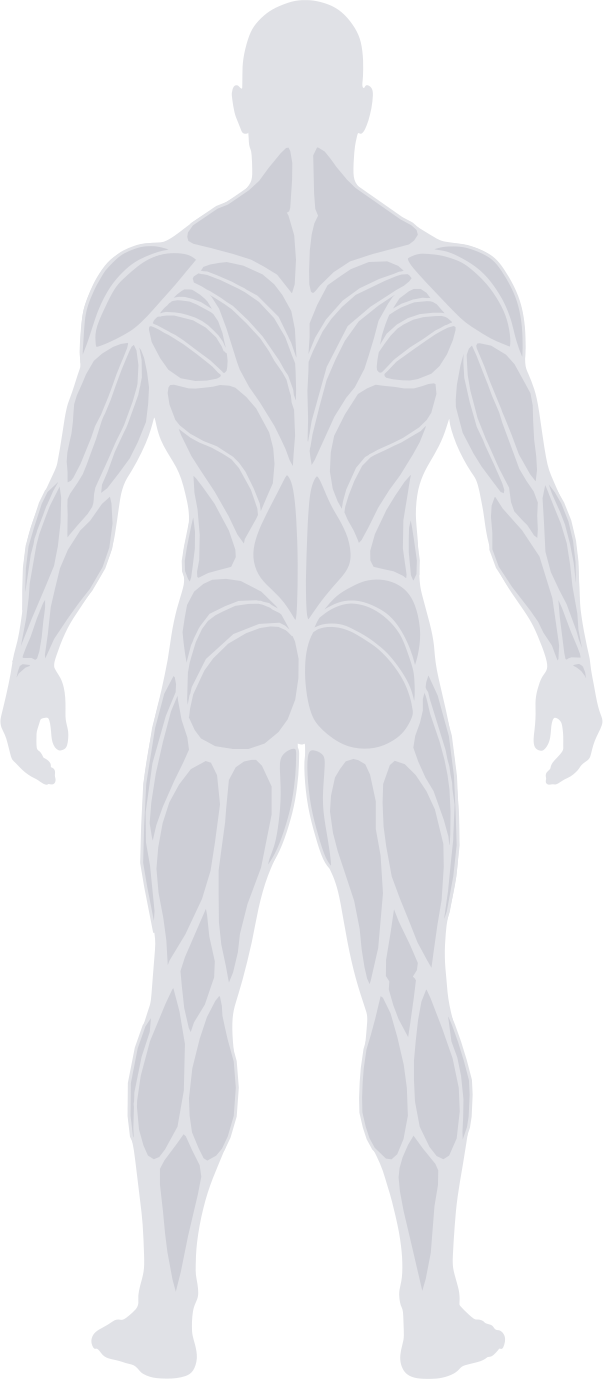
- Primary:
- Glutes
- Secondary:
- Hamstrings and Core
Why train it
- Loads the glutes and hamstrings without placing compressive load on the spine.
- Teaches the hip hinge pattern that deadlifts and kettlebell swings depend on.
- Keeps tension constant through the range, which suits higher rep volume work.
Common mistakes
- Bending the knees into a squat, which shifts the work from the glutes to the quadriceps.
- Standing too close to the stack, which leaves no tension at the stretched position.
- Pulling the rope with the arms, which turns a hip hinge into a row.
- Arching the lower back at lockout instead of finishing with the glutes.
Frequently asked questions
What equipment do I need for the Cable Pull Through?
Only a cable machine. Nothing beyond that is required to run the movement the way it is described above.
Is the Cable Pull Through suitable for beginners?
Yes. The Cable Pull Through is rated beginner, and the machine holds the path for you, so there is little to get wrong once the seat and the pin are set.
Can I do the Cable Pull Through at home?
Only if your home setup runs to a cable machine. Most do not, so this is usually a gym movement. The alternatives below cover the same muscles with kit you are more likely to have.
How many sets and reps of the Cable Pull Through should I do?
Three to five sets of 5 to 8 reps for strength, or 8 to 12 for size. A hinge is heavy on the lower back, so leave a rep in the tank and rest two to three minutes between sets.
What are good alternatives to the Cable Pull Through?
Band Glute Bridge, Dumbbell Deadlift, and Frog Pump train the same primary muscles as the Cable Pull Through. Pick whichever one suits the equipment in front of you.
Work out your Cable Pull Through weights
Estimate your max from a recent set, then find the weight for your next one.
- One Rep Max CalculatorTurn a recent set into an estimated max. Compare Epley, Brzycki and Lombardi, then read off your training percentages and every rep max from 2RM to 12RM.
- RPE CalculatorRate a set by effort, get an estimated max, and read off the weight for your next target. Includes a full RPE chart of percentages by reps and effort.
Similar exercises
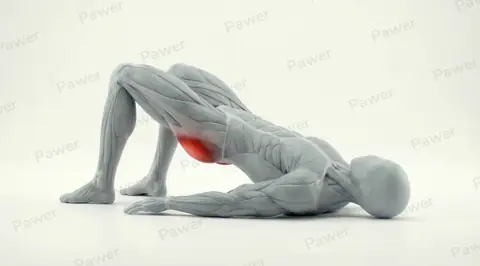 Glute BridgeBodyweight
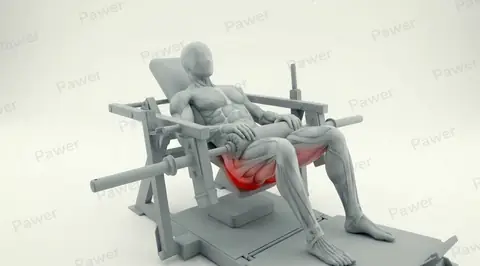 Machine Hip ThrustMachine
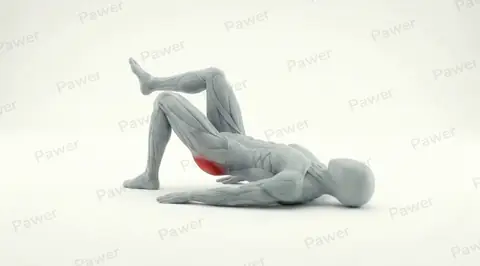 Single Leg Glute BridgeBodyweight
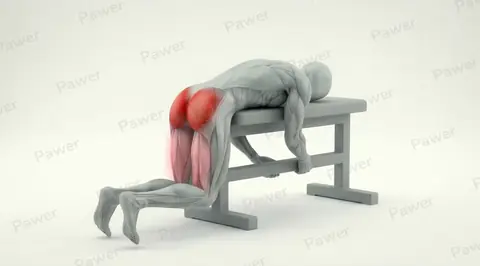 Reverse HyperextensionBodyweight
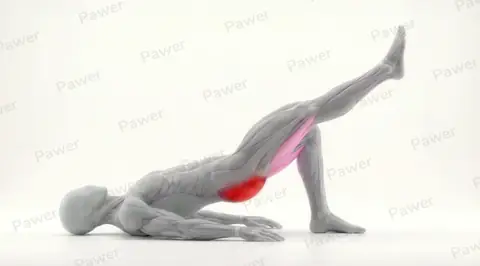 Single-Leg Hip ThrustBodyweight
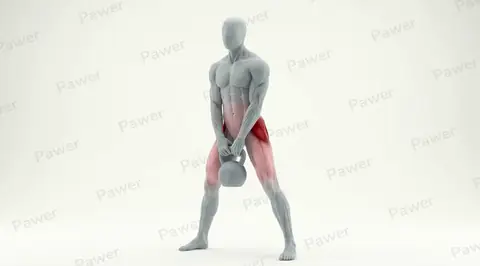 Kettlebell Sumo DeadliftKettlebell
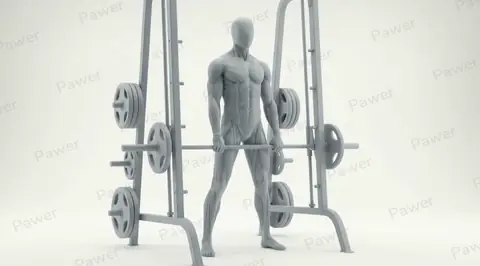 Smith Machine Sumo Romanian DeadliftMachine
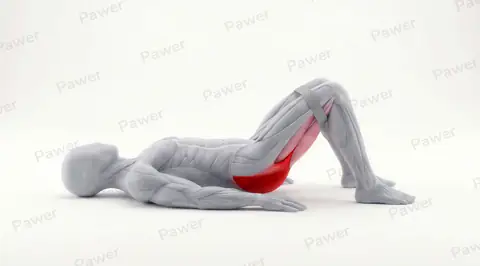 Band Glute BridgeResistance band
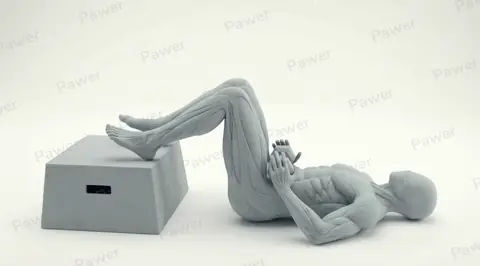 Dumbbell Feet Elevated Glute BridgeDumbbell
 Dumbbell Heels Elevated Hip ThrustDumbbell
By muscle
Every exercise is mapped to the muscles it trains. Browse by what you want to build.
By equipment
A full gym, a pair of dumbbells, or nothing at all: browse by what you have.